USEFUL NUMBERS
Useful numbers

Useful numbers
If you arrive by car from the North (Autostrada del Sole A1): travel along the entire motorway until the Caserta Sud toll booth. Continue straight until you join the A3 Naples-Salerno-Reggio Calabria. Exit at Castellammare di Stabia and continue straight on the highway to Sorrento. Exit at Gragnano and follow the signs for Agerola. If you arrive by car from the South: in Salerno take the A3 motorway to Naples; exit at CastellAMmare di Stabia and continue as in the instructions for those coming from the North. Alternatively: leave the A3 at Vietri sul Mare and then follow the Statale 163. Once past Amalfi, take the Provincial road to Agerola. By public transport from Naples: Circumvesuviana railway runs from Naples-Piazza Garibaldi to Castellammare di Stabia (Via Nocera stop); then SITA bus to Agerola. Alternatively; SITA bus to Agerola or Amalfi via Agerola, with departures from the port of Naples (Largo Immacolatella) and stop at the Napoli Centrale railway station (Via G. Ferraris). In the summer months the Naples-Amalfi stretch can also be done with the Metrò del Mare, with departures from the Maritime Station, Terminal Angioino. By public transport from Salerno: SITA bus from Via Vinciprova, or from the railway station square, to Amalfi; then another SITA trip to Agerola. In the summer months the Salerno-Amalfi stretch can also be done with the Metrò del Mare, which leaves from Molo Manfredi. If you arrive by plane in Naples Capodichino: use the Alibus routes to reach Piazza Garibaldi or the port and continue by public transport.
The territory of Agerola was first reached by the Osci, ancient Campanian people who stemmed from the union of the strong Samnite with the Opian mountaineers, in the 5th century B.C. The Osci or Oschi pushed as far as Sorrento through the Lattari Mountains after founding the Republic of Nucera, which in 474 B.C. included the territories of Nocera, Pompeii, Stabia, Herculaneum and Sorrento. Roman times ruins and artifacts were unearthed, at different times, in the Radicosa area, in Ponte hamlet and in the St. Barbara grotto. Vases, oil lamps, coins of the early Roman emperors, amphorae of various sizes, libation bowls, various terracotta vases, bricks, grindstones, remains of buildings and courtyards, pavements of ancient roads, metal objects, etc. were discovered at these sites. Among the various settlements that occurred over the centuries we find that in 89 B.C., when Stabia and Gragnano were assaulted by the soldiers of the Roman general Lucius Cornelius Sulla, many refugees from these cities relocated in our hills’ villages. The population growth of Agerola was also influenced by the inhabitants of the coastal cities trying to escape the Saracens’ devastations.
Agerola's most distinguished citizen was General Paul C. M. Avitabile (1791 - 1850) who began his military career in the Murattian army and continued it first with the Shah of Persia and then with the Sikh ruler Ranjit Singh, who appointed him general and governor first of Wazirabad and then of the most difficult to control Afghan province: Peshawar. Back home he went first to Paris, where he was awarded the Legion of Honor, and then to London, a guest of Queen Victoria. In Italy General Avitabile resided first in Naples, then in Castellammare di Stabia and finally in Agerola, where he died-in circumstances never fully clarified-in the beautiful palace he was completing in S. Lazzaro. It was demolished in 1937 to make way for the Colonia Montana. On the entrance facade of the palace he had "O Beata Solitudo, O Sola Beatitudo" written.
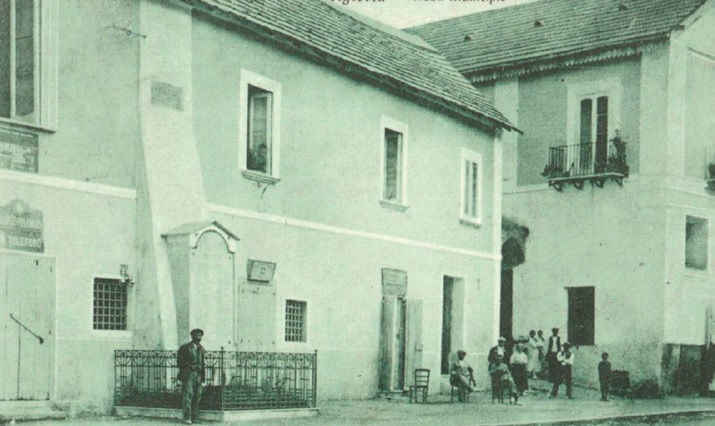
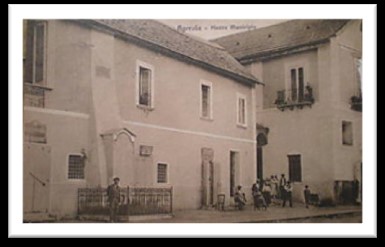
Questo antico edificio, più volte rimaneggiato, ha ospitato il Municipio di Agerola dal 1862 al 1982. Dal 1846 al 1890 fu anche sede di un Regio Giudicato con annesso carcere (vedi la robusta grata ad una delle finestre terranee). Nei secoli precedenti, quando fu detto “Casa della Corte”, esso ospitò una Corte bajulare competente per Agerola, Praiano e Settica Maggiore. Essa vi fu stabilita da Antonio Piccolomini (nipote di Papa Pio II e genero di Re Ferrante D’Aragona) poco dopo aver ottenuto in feudo il Ducato d’Amalfi (1461).
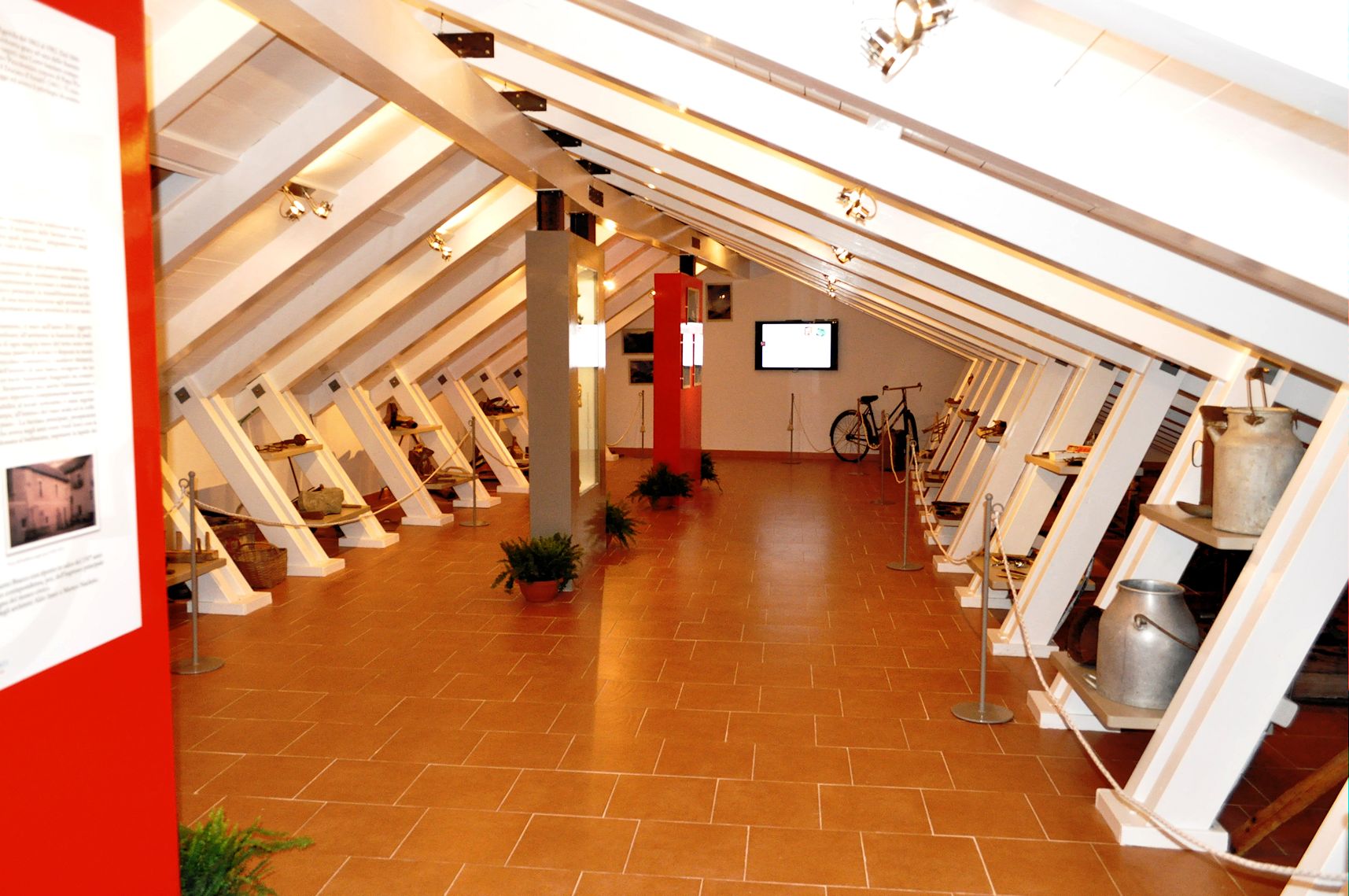
The Museum was created to preserve, in addition to the very important archaeological section, a minor, unofficial remembrance made up of the small everyday objects.
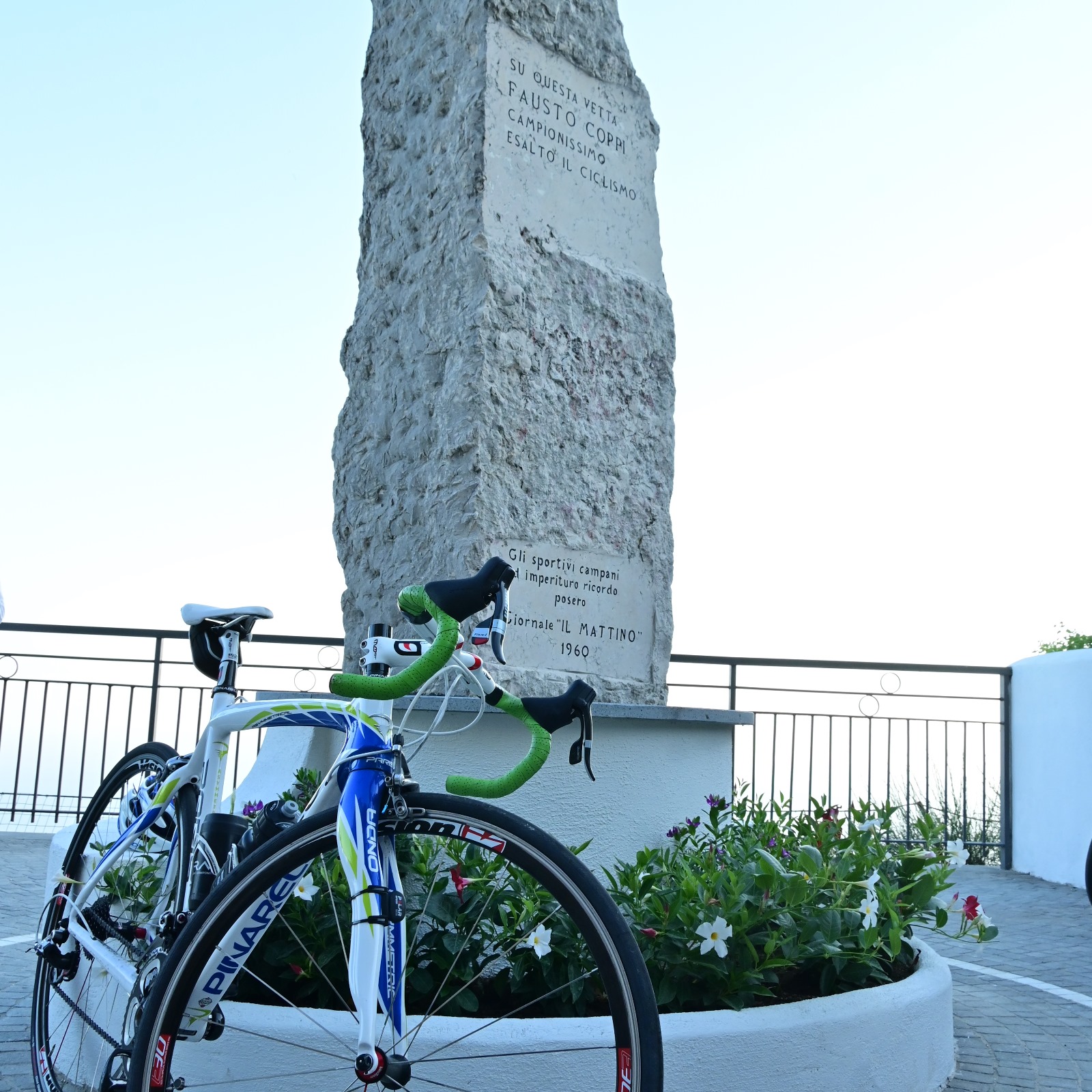
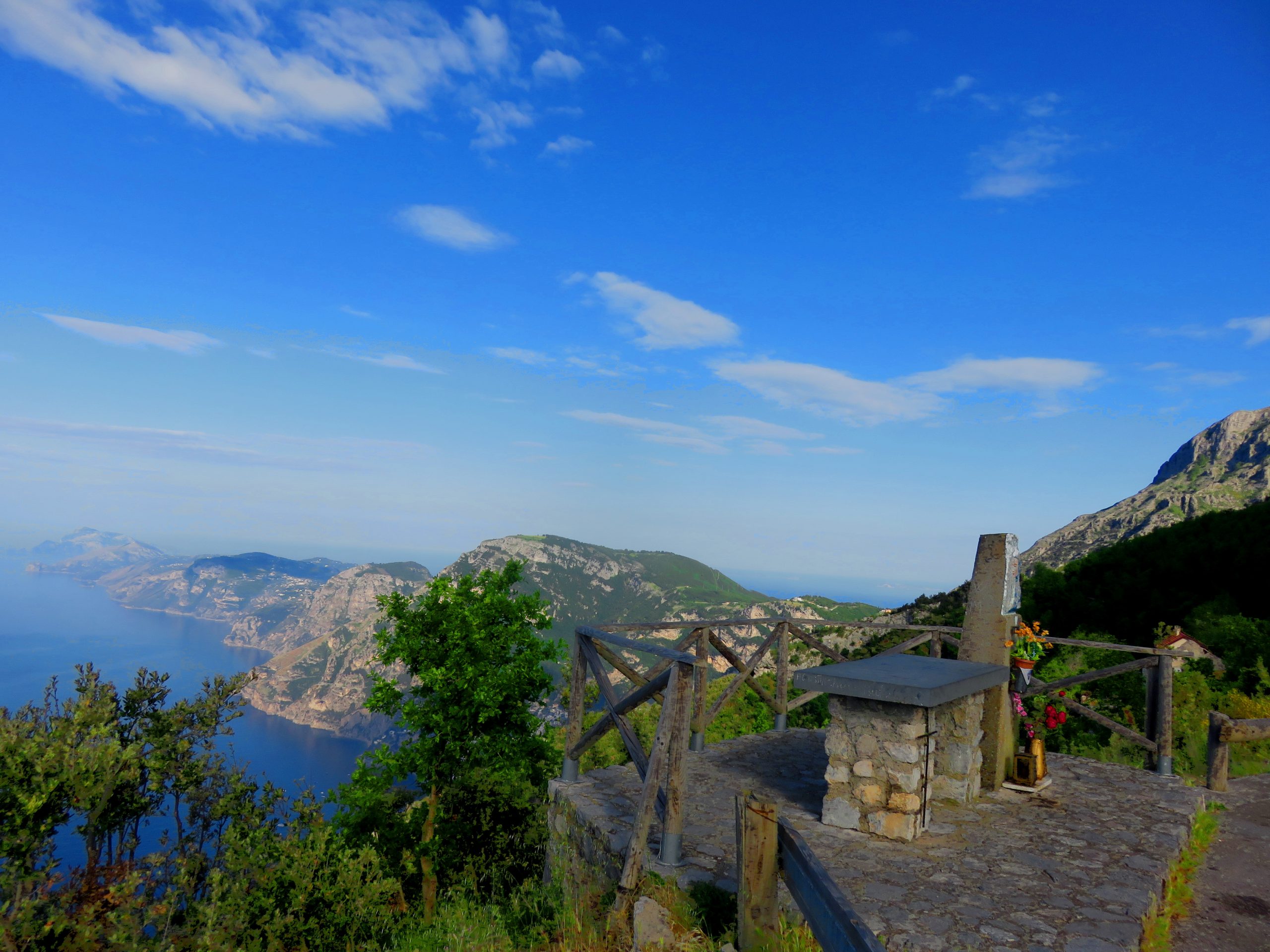
Fausto Coppi Lookout is the gateway to the Amalfi Coast, a corner of paradise where the connection between the deep blue of the sea and the boundless blue of the sky is celebrated. It is not only a beauty for the eyes, but also a challenge for two-wheelers. The Belvedere is the culmination of scenically evocative route, but also the custodian of a fascinating cycling feat that "The Heron" Fausto Coppi entrusted to history. At the center of the Belvedere stands a stela, which the newspaper "Il Mattino" placed in this place to commemorate the feat of the champion Coppi, who in 1955, on this "grim mountain" and in the hairpin bends of the winding climb that connects Amalfi with Agerola, built one of his many epic sporting feats by breaking away from his adversaries and laying the foundations for victory in the Giro della Campania. Here, among the rocks and the endless sky, it reads, "On this peak Fausto Coppi champion exalted cycling."
"Paipo" is the viewoint overlooking the upper area of the hamlet of Bomerano, below the ridge of Mount Three Calli, whose toponym is assumed to derive from the Greek παίπαλον / pàipalon = precipice, steep place. From such a wonderful rocky balcony one can admire one of the most beautiful views of Positano, Capri and the Sorrento-Amalfitan Peninsula. In that area there is also an altar commonly called Our Lady of Silence from which one of the most beautiful views of Campania can be contemplated. From the view that opens majestically from punta Paipo one can glimpse, among other things, the first part of the Path of the Gods. A place for lovers of beauty, of peace, of the serenity it generates in the soul. In tale area vi è anche un'altare comunamente chiamato la Madonna del Silenzio da cui si può contemplare uno dei panorami più belli della Campania. Dalla visuale che si apre maestosa da punta paipo si intravede, tra l'altro, la prima parte del Sentiero degli Dei. Un luogo per gli innamorati del bello, della pace, della serenità che genera nell'anima. In tale area vi è anche un'altare comunamente chiamato la Madonna del Silenzio da cui si può contemplare uno dei panorami più belli della Campania. Dalla visuale che si apre maestosa da punta paipo si intravede, tra l'altro, la prima parte del Sentiero degli Dei. Un luogo per gli innamorati del bello, della pace, della serenità che genera nell'anima.
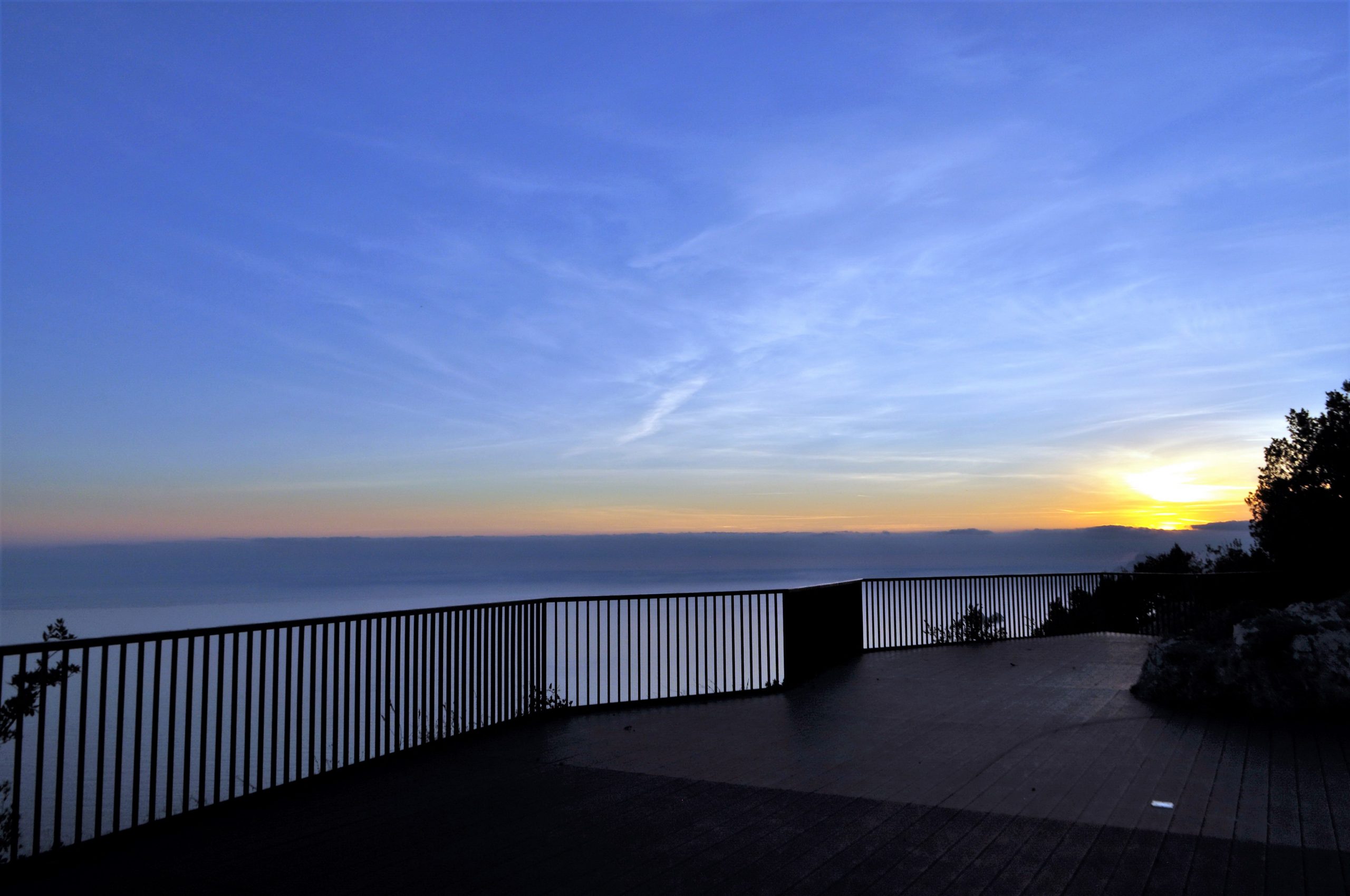
Punta Corona lookout is an enchanted balcony soaring into the hilly void below. The verticality is felt in a unique view that blends into the contemplation of the panorama, like a work of art painted by an artist's hand. Nestled in a vast green area, the tourist park is family-friendly: playground and picnic area, as well as a relaxing tour in a chestnut tree-lined path. Ideal for outdoor sports, in contact with nature and the landscape. The striking belvedere overlooking the divine Amalfi Coast offers a romantic spectacle of light and color, where the blue line of the horizon marks the boundary between sky and sea.
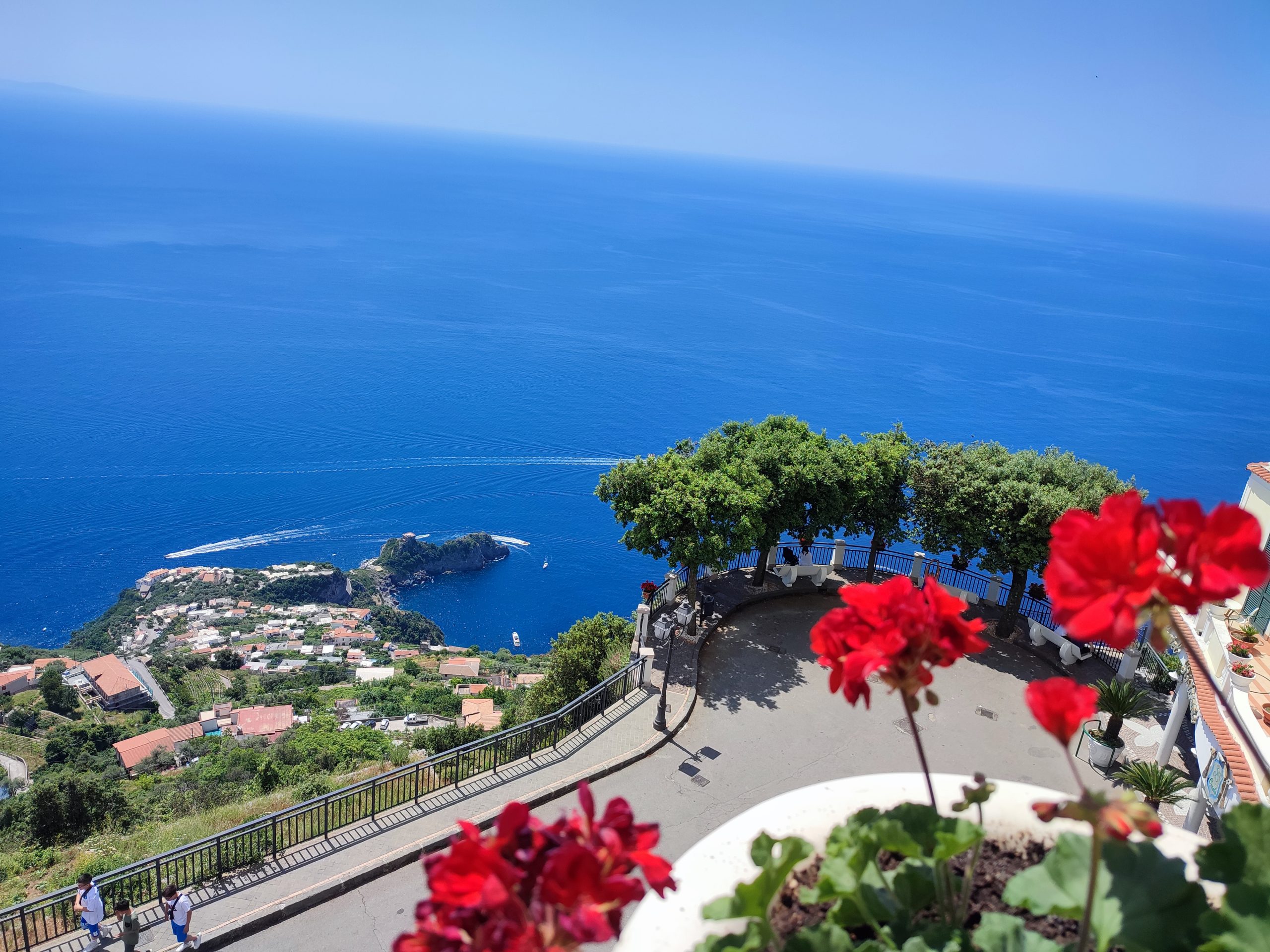
This viewpoint known also as Punta di San Lazzaro, has an important historical meaning, having been the place that inspired Neapolitan poet Salvatore Di Giacomo to compose of one of his most important artistic masterpieces, the famous lyric "Luna d'Agerola" (Agerola’s moon). The belvedere overlooks, from above, Capo di Conca, offering a view of the Cilento Coast on its left and the coastal landscape of Punta Campanella on its right.
© Copyright 2026 | All Rights Reserved | Powered by Connectivia S.r.l.