PALAZZO ACAMPORA
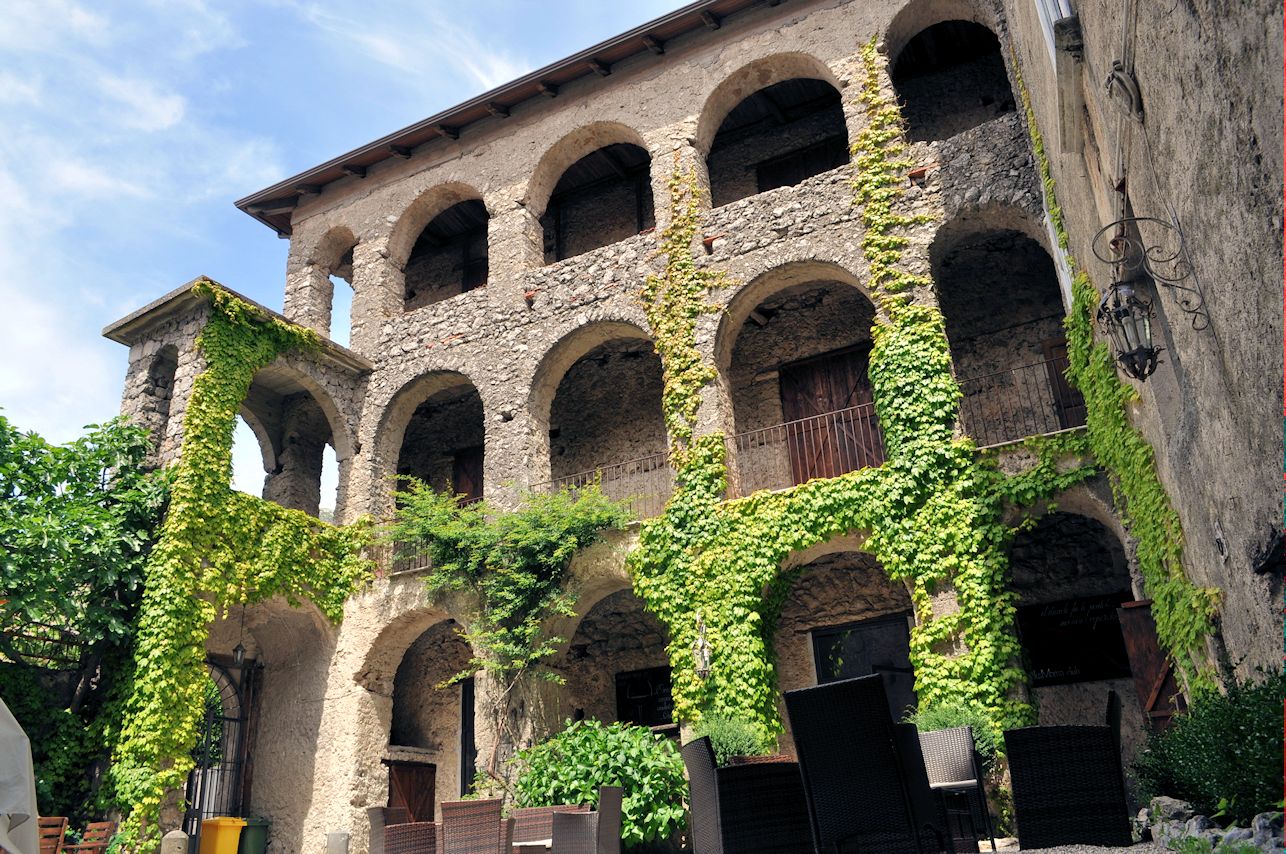
Palazzo Acampora, dating back to the 18th century is one of the rare examples of the upper Amalfi Coast patrician residence and architecture. Dwelling for over two hundred years of the Acampora family of Corfu, the lineage as evidenced by the predicate of Corfu originate from the noble families who ruled over the island itself, during the Venetian domination of the Greek island which protracted until beyond the middle of the eighteenth century, The link with the lagoon city is also evidenced by some glass-paste mosaics in the palace from Murano dating back to the late 19th century, in which the virtues and origins of the Acampora family and in particular of Sir Francesco are praised.
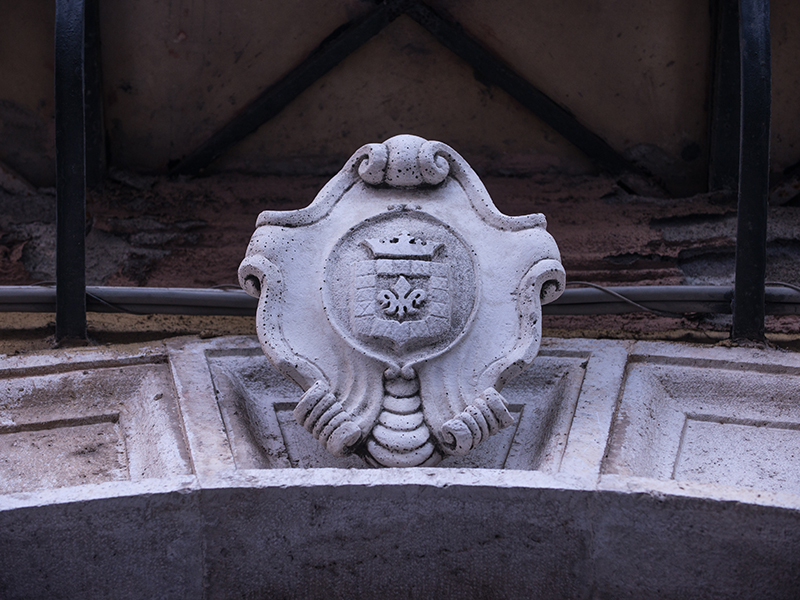
One of the two family coats of arms is most likely linked to the domain of Corfu; the one above the Acampora family chapel in the parish church of St. Matthew the Apostle in Bomerano (also painted on the large hearth in the kitchen of the noble apartment), bearing two pigeons at the base of a large pine tree. The second (antique silver lily on a blue field) of Bourbon concession, successive to the previous one, is placed at the top of the main door of the palace and is also frescoed at the entrance to the historic apartment.
The scene of a fascinating family saga, which also tragically affected the figure of General Avitabile, the affairs of the Acampora household significantly influenced the history of the upper coast throughout the nineteenth century until the first thirty years of the twentieth.
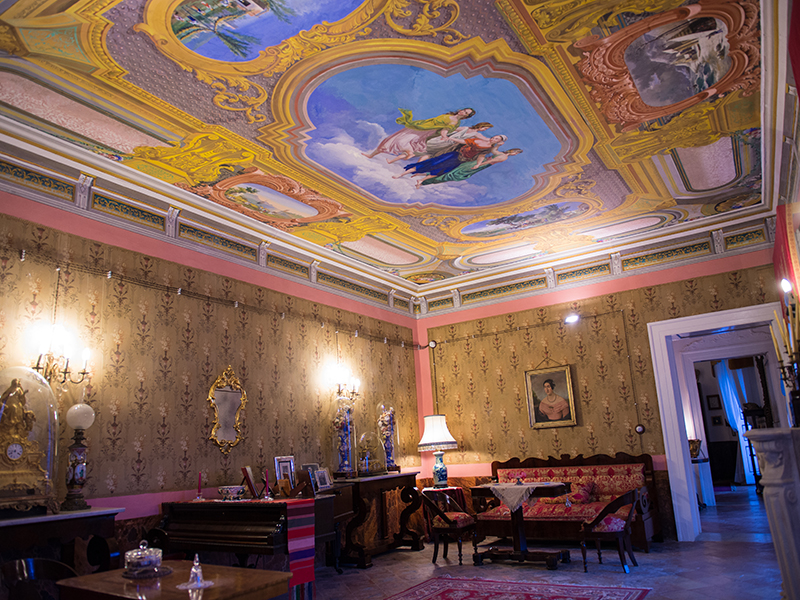
Prominent personalities from the world of politics and culture in the early twentieth century were regular guests at Palazzo Acampora. Among them was the maestro Francesco Cilea who, with the marquise Rosa his bride, habitually spent his summer vacations in Agerola as a guest of the family, (his famous notes still resonate on the grand piano in the ballroom) and the fraternal friend the Honorable Enrico De Nicola, who later became the first President of the newly formed Italian Republic.
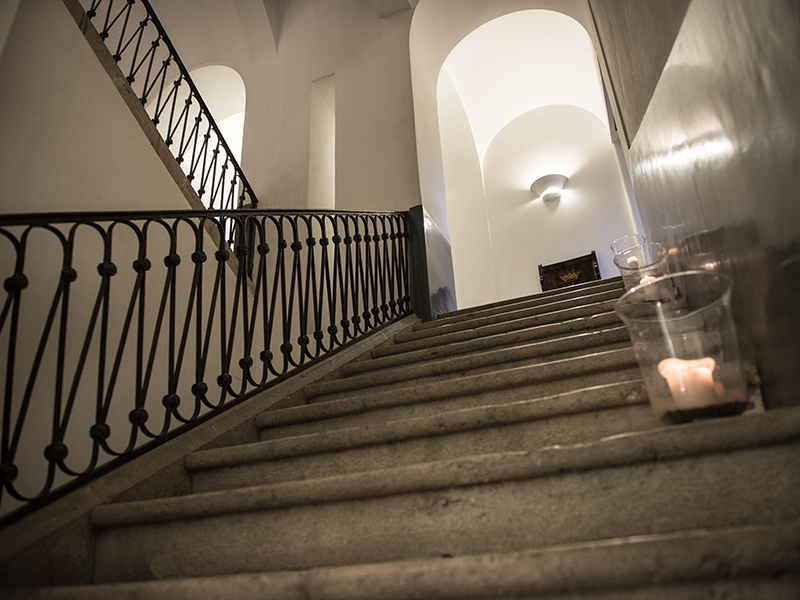
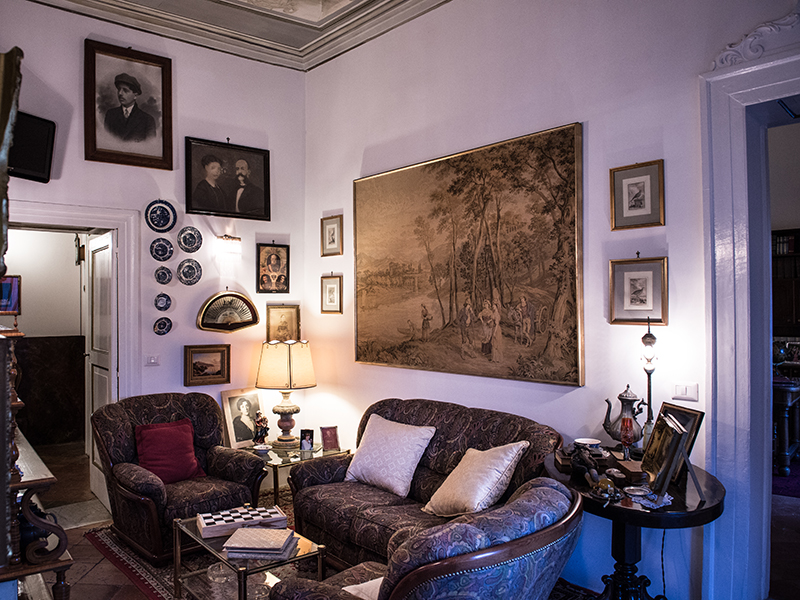
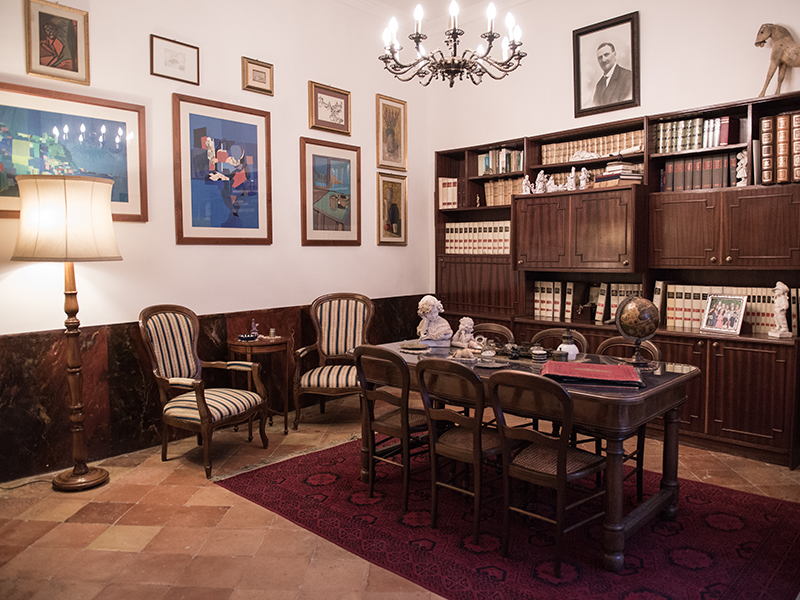
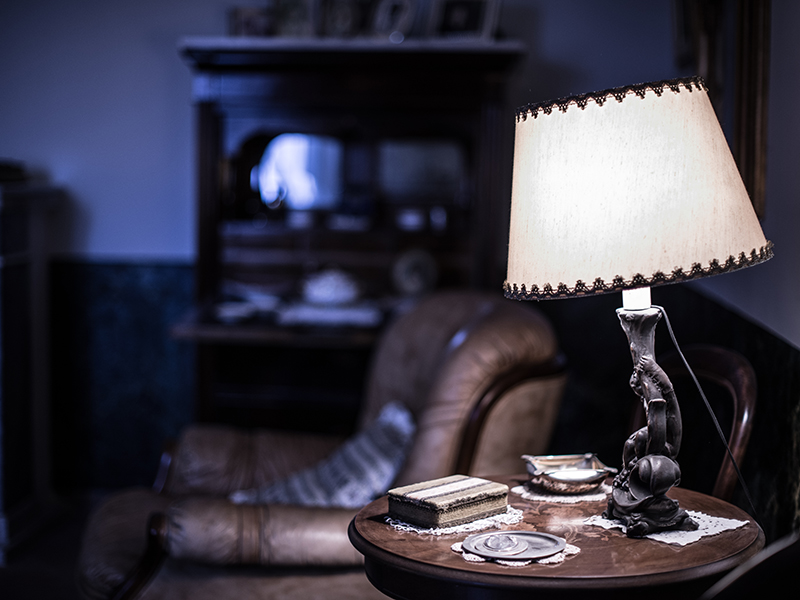
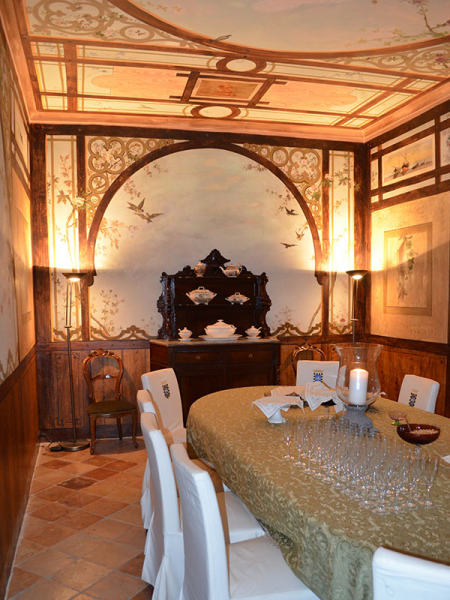
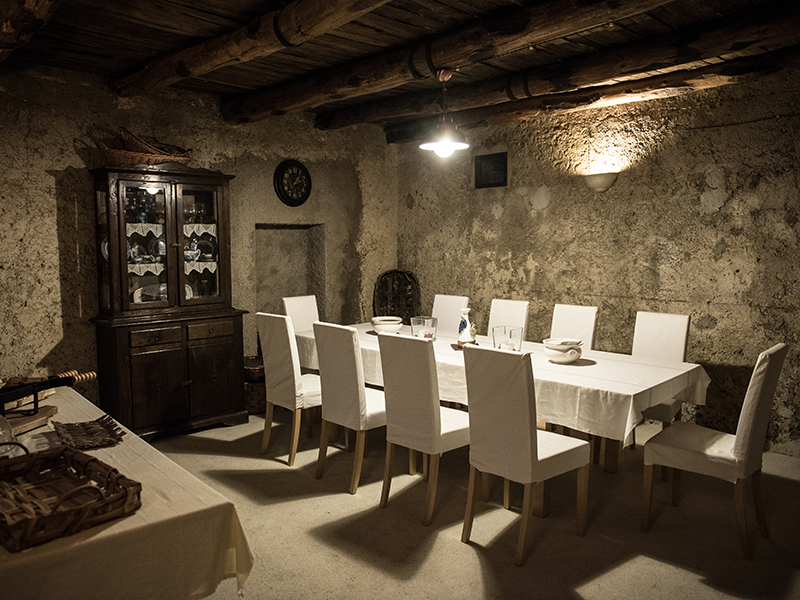
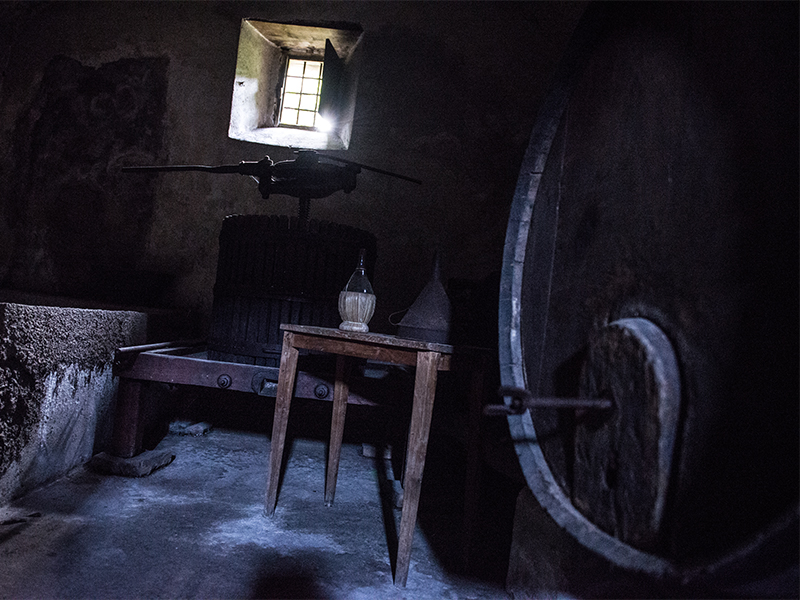
A century later, a careful and zealous renovation by the family’s last descendants has restored to their former glory, the historic apartment (along with the original furnishings, frescoes, polychrome faux marbles, and paintings by Pallegiani), the cellars, the courtyard, and the beautiful Neapolitan staircase.
Period: 17th century