SENTIERO DEGLI DEI
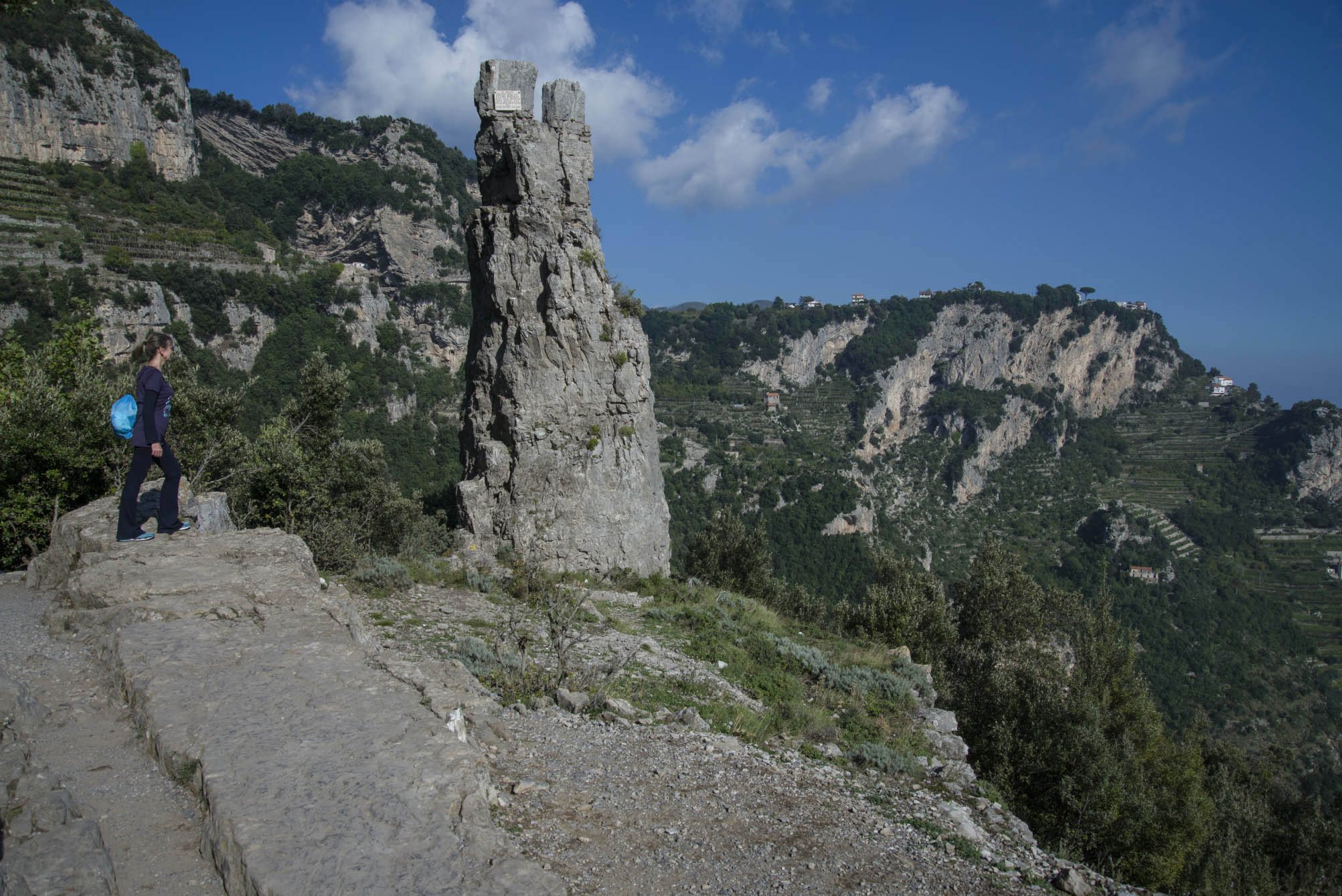
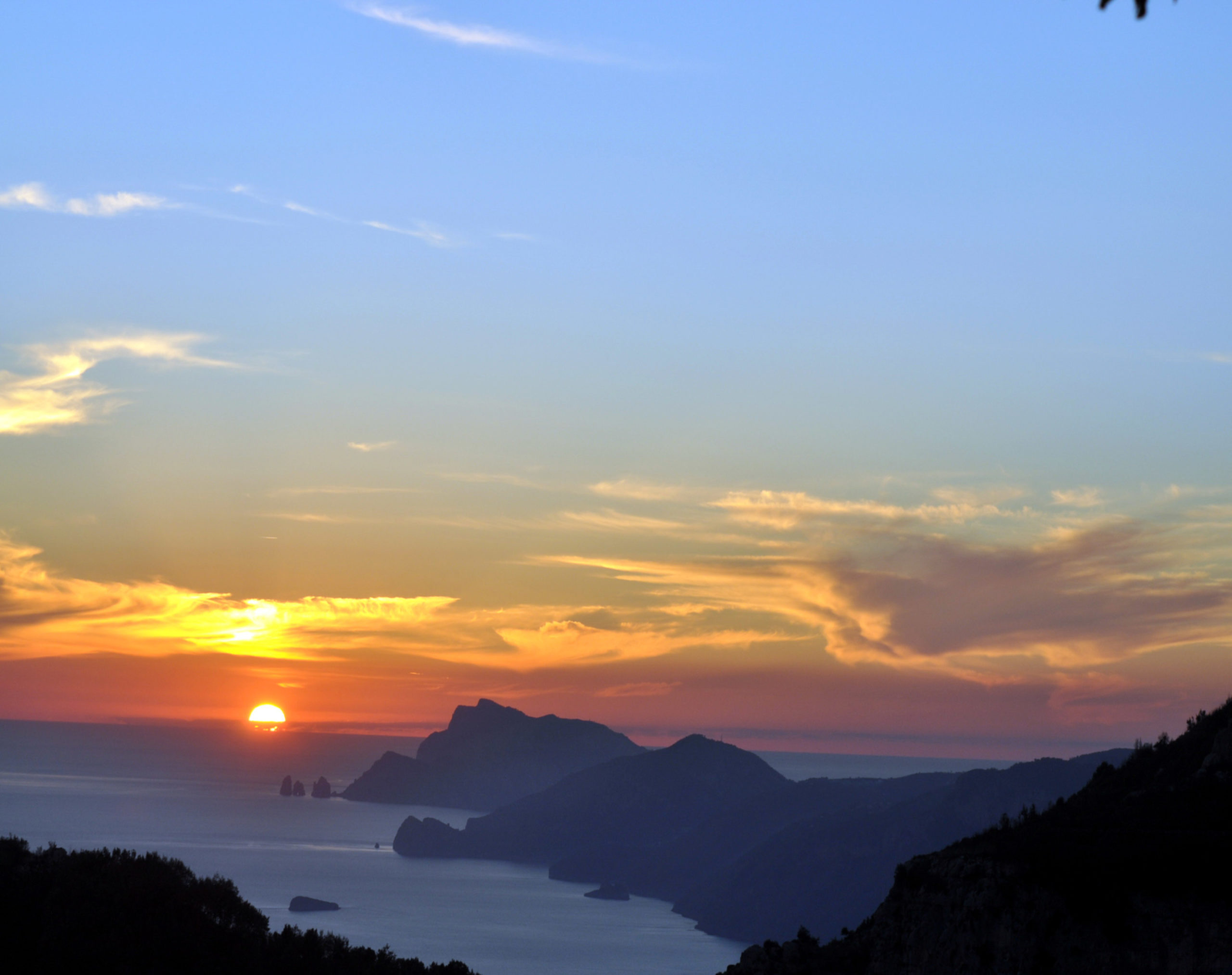
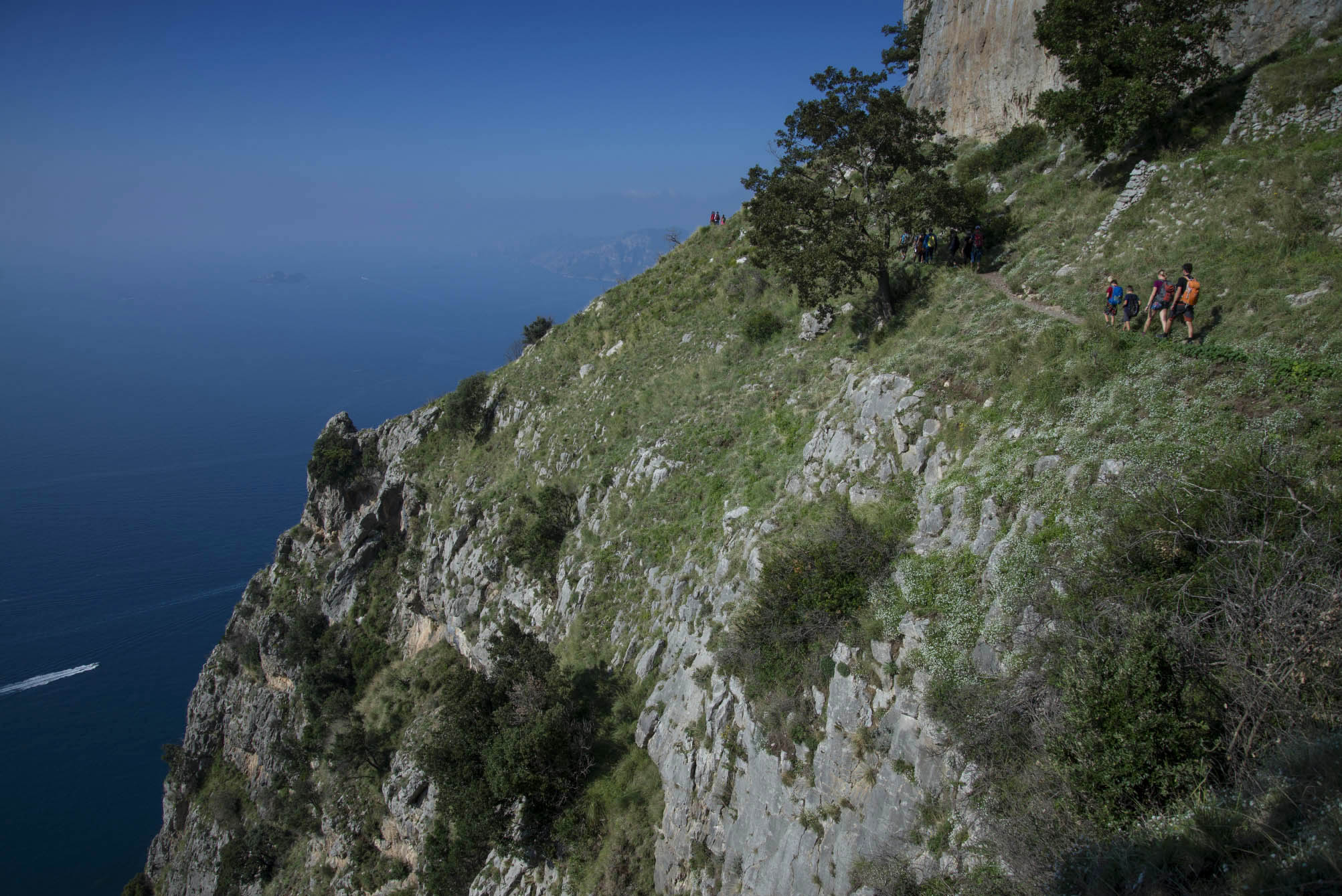
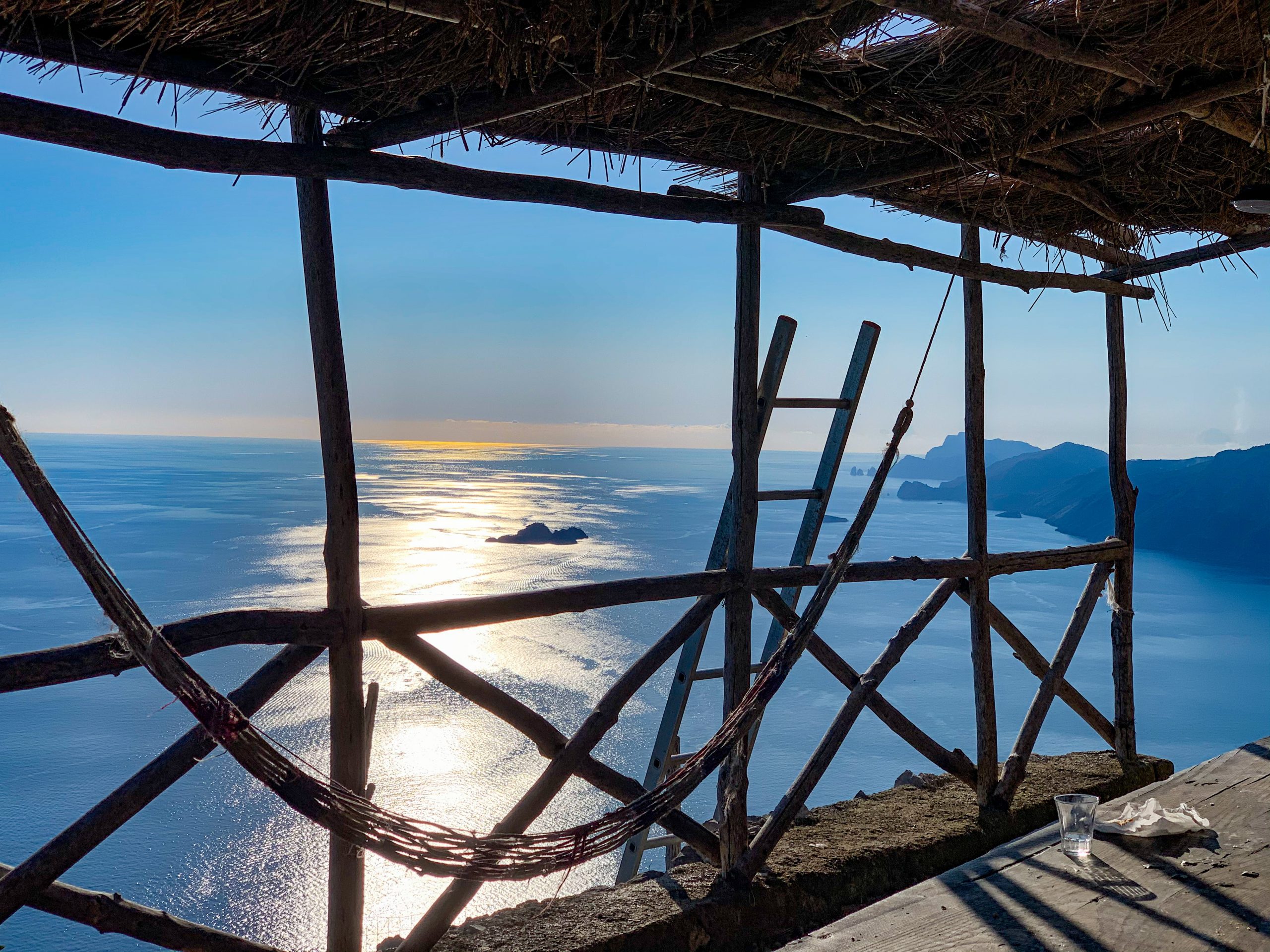
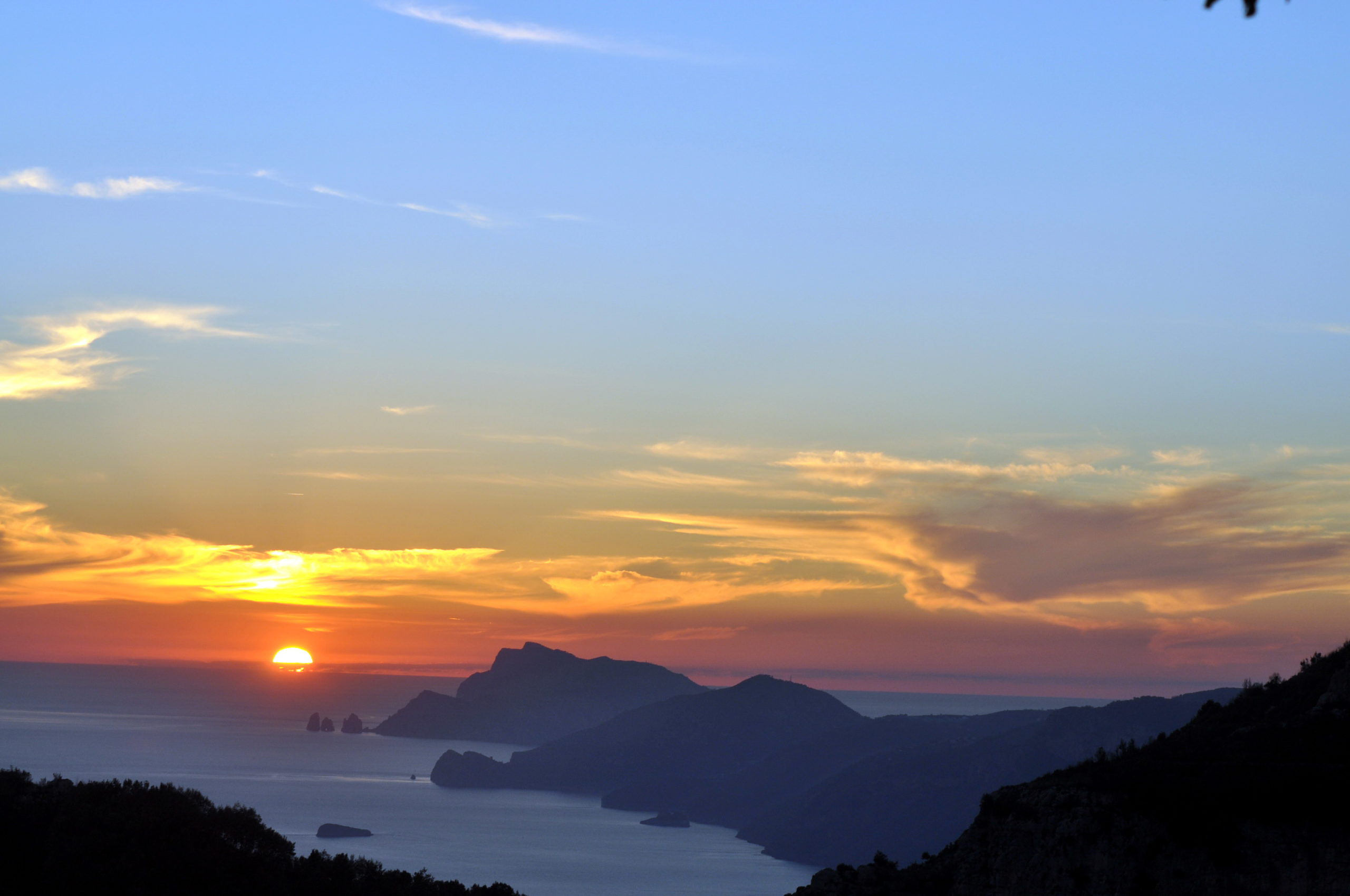
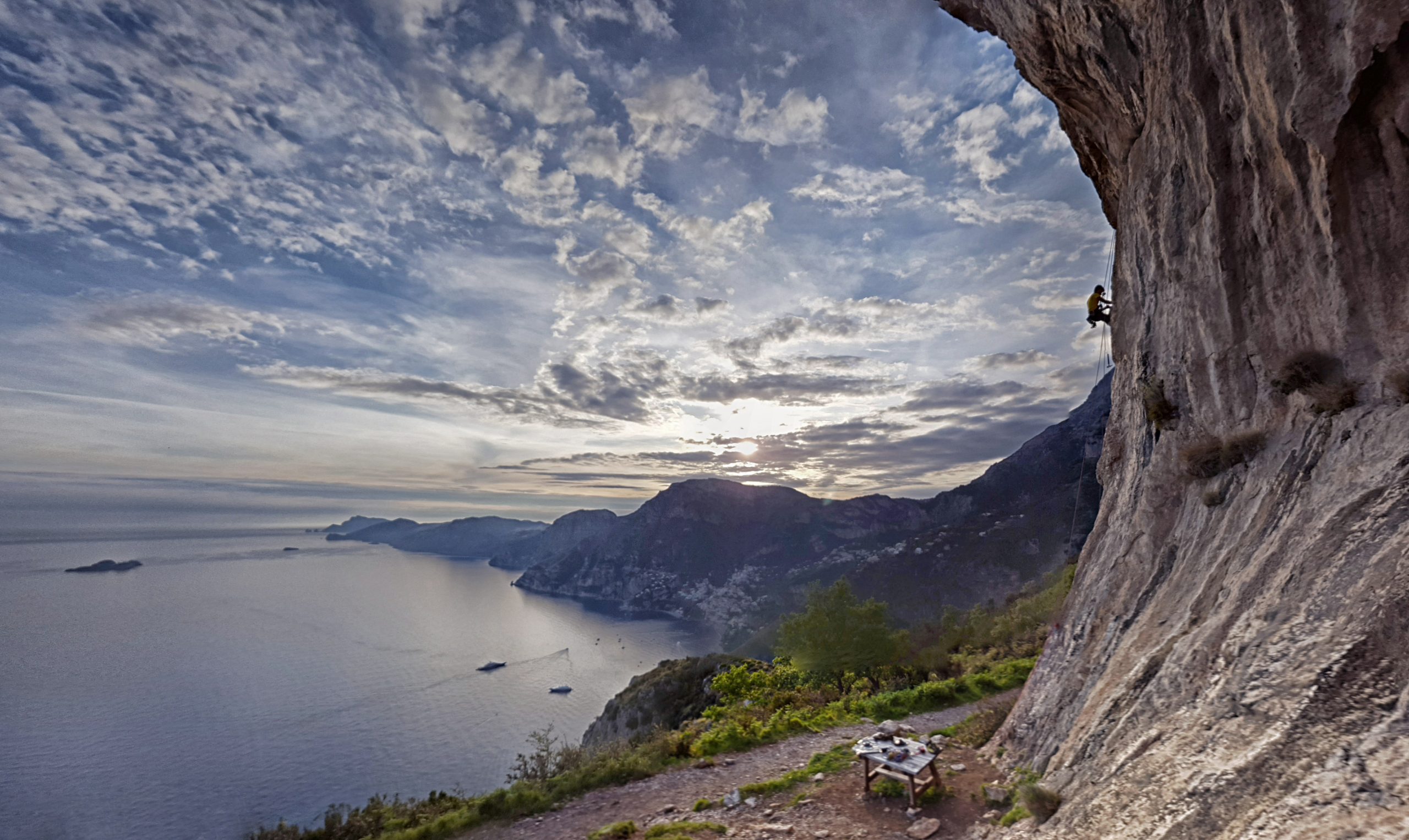
Known as the “Path of the Gods”, this internationally known trail is the areas most popular. By following easy steps bordered by spectacular cliffs and through various gorges, the trail offers unparalleled views of Positano, the Sorrento Peninsula, the small islands of Li Galli and Capri. Very interesting are also its vegetation aspects, the cultivated terraces and old farm houses scattered along the path.
Path information
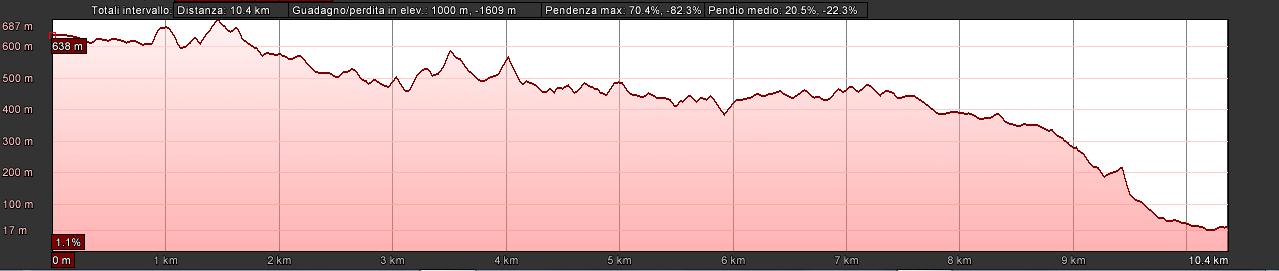
From Piazza Paolo Capasso (Bomerano) take a small downhill road (via Pennino) and, after about 300 m, next to large steps, turn right passing over a wooden bridge. Go up the flight of steps which lead to a paved mule track which should be followed-to-left until it becomes a trail with concrete bottom.
Beyond a downhill turning point you reach, the Grotta del Biscotto. Continue on the path dirt road now) and, with mild ups and downs, reach the pass of Colle la Serra (580m).
At the height of a ruin, there are two variants of the path equally scenic, which join up later in the Cannati area (560m) turning to the right, you will take the high variant, which initially is rough, along-path you will see ancient lime factories where they produced limestone
If you instead turn left, taking the low variant, initially downhill, with some exposed sections, a detour – to the left-leads down to the fascinating monastery of St.Domenico and then Vettica Maggiore (recommended for those wishing to take a shorter walk).
From Cannati area, the path continues winding along the coast and, with mild ups and downs, through the Gradelle Valley it reaches, after 2 miles, Nocella hamlet (420m). On reaching the chapel depicting the Crucifixion and the fountain, turn right, continuing along a path that joins the main road and leads to the hamlet of Montepertuso (1 km). Here, about 100 m beyond the square, you can go down, left, on a stairway leading to the center of Positano. Alternatively, from the square of Nocella you can go down the stairs ( 1700 steps) which leads to Arienzo, on the former State Road 163. Following it to the right (watch for traffic!), after 500 m you reach the center of Positano. To return to Agerola you can either take the SITA BUS, with exchange in Amalfi, alternatively, in the summer months, you can reach Amalfi by sea, using the Cooperativa San Andrea Metro del Mare ferry.
Values and points of interest
The beautiful Grotta del Biscotto rocky wall is made of ancient cemented debris (final Pliocene), which fell from M. Three Calli and from a mountain to the south which is gone, sunk by tectonics in the emerging Gulf of Salerno (cfr.par. 2.2). A little further on, the path begins to run on Jurassic marine limestone and dolomites; rocks that will continue to be seen all along the way.
At the Grotta del Biscotto, below the path, you can admire houses in the cave that perhaps began as hermits cells, in the Middle Ages, for those who lived near to S. Barbara church (see Path 12).
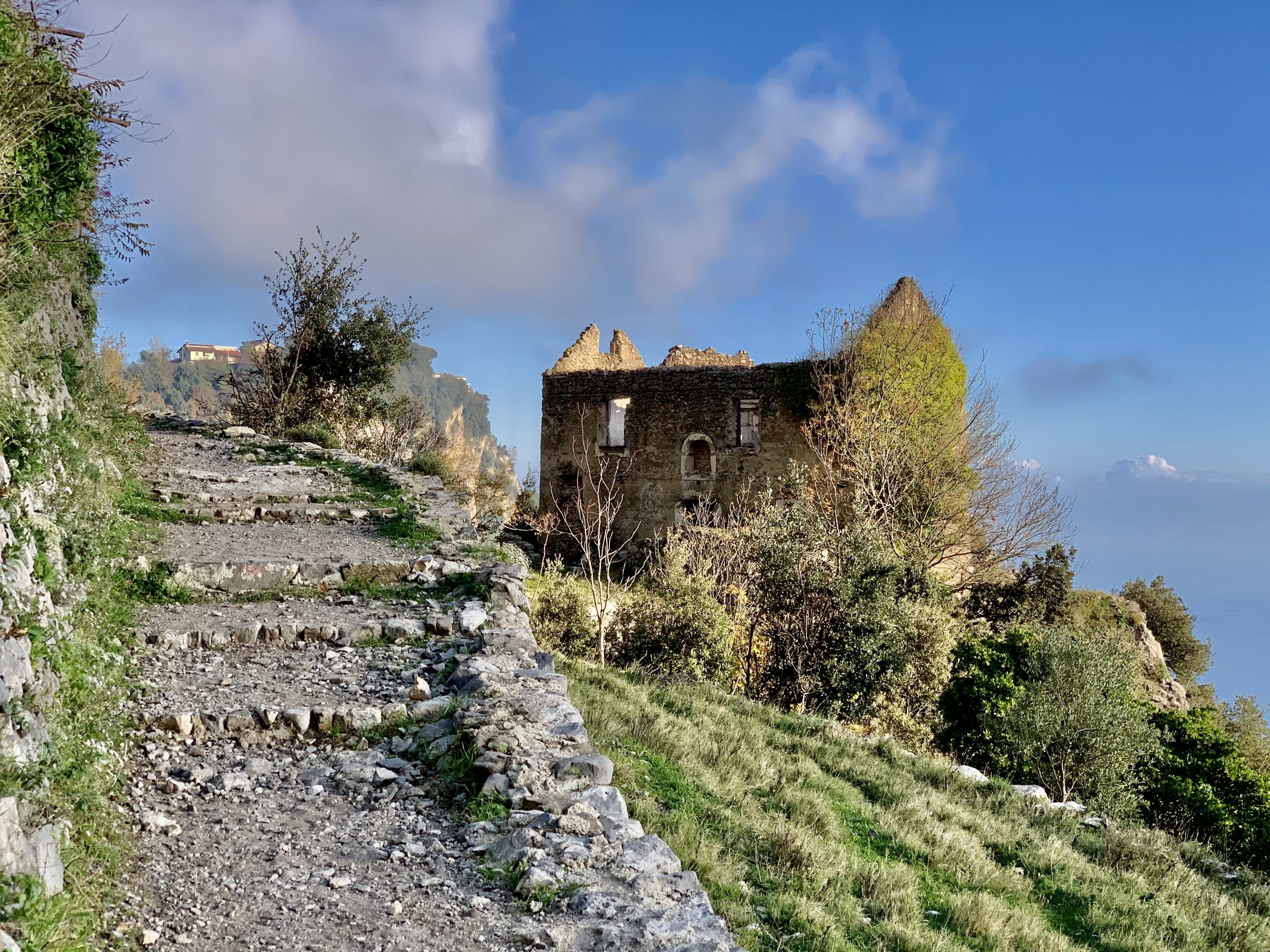
A hundred meters further on there is the ruin of an old farmhouse boldly placed on the edge of a cliff.
Other typical examples of rural architecture will be seen later in Colle Serra, Cannati and Nocella.
The secular presence of man is manifested in the landscape with the well-studied agricultural terraces, supported by macerine (dry walls) Where not abandoned, they are home to pergola vineyards which produce a great ” extreme wine ” or, at lower altitudes, to lemon groves which give the famous Amalfi Susato and, from it, the best local Limoncello.
In terms of vegetation, this path gives the opportunity to observe the transition from woodlands of the sub-montane horizon (the head of the Vallone Praia, especially on slopes facing NE) to the typically Mediterranean ones (ilex, garrigue and maquis) occupying lower and / or the sunniest areas (see par.
2.3). Of varied and spectacular spring blooms we like to point out the endemic Santolina and Myrtle, the Rockrose (both white and pink) the Broom and Rosemary.
But the dominant values of the path are in the amazing articulation orography (a continuous succession of cliffs, pinnacles, ledges and canyons) and in breathtaking views, ever-changing at every new ridge, showing us the entire cliff from Positano to Punta Campanella (with Capri behind), and some unusual views from the top of the bays and headlands of this stretch of the famous Amalfi Coast.