BELVEDERE FAUSTO COPPI

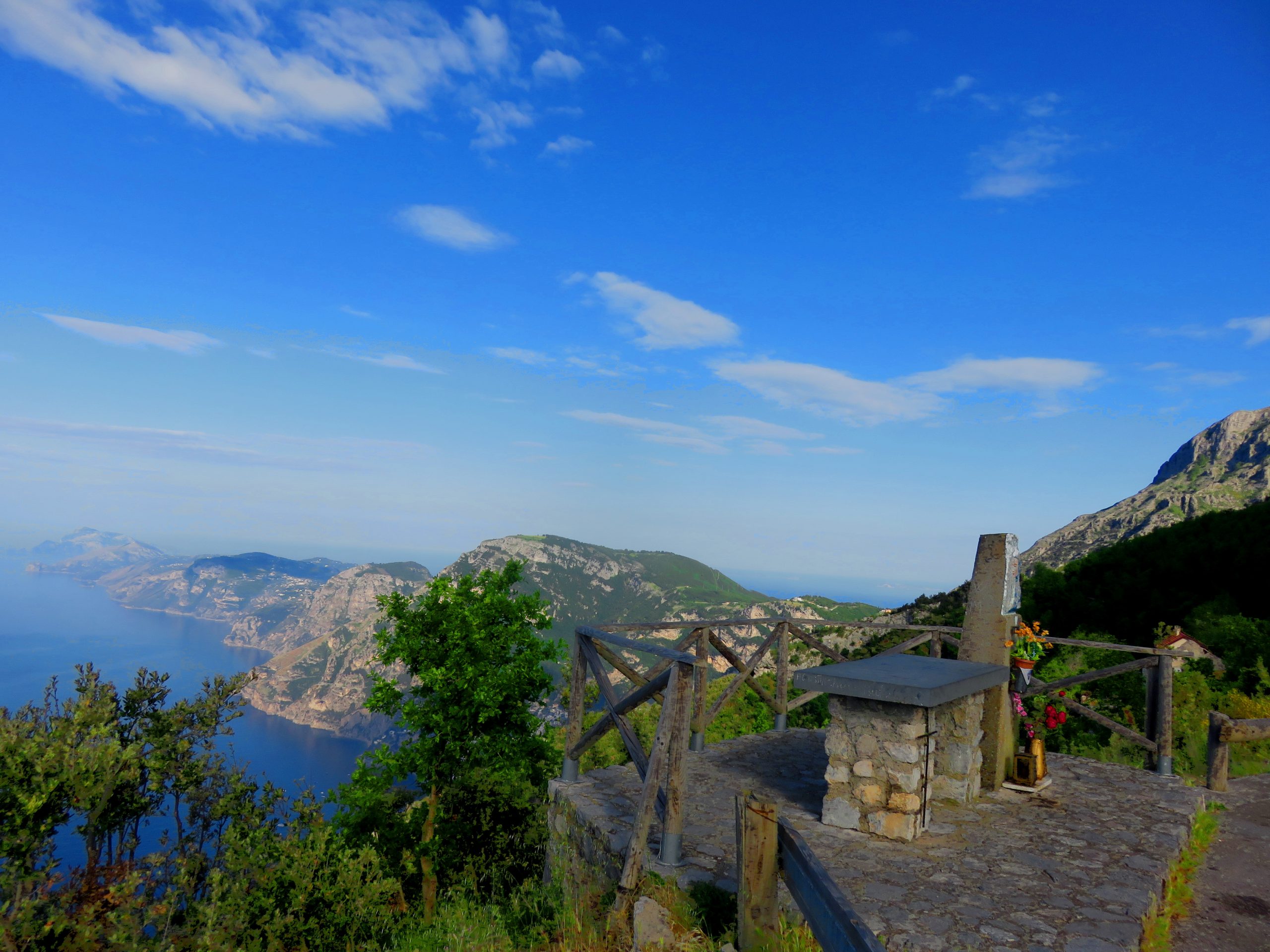
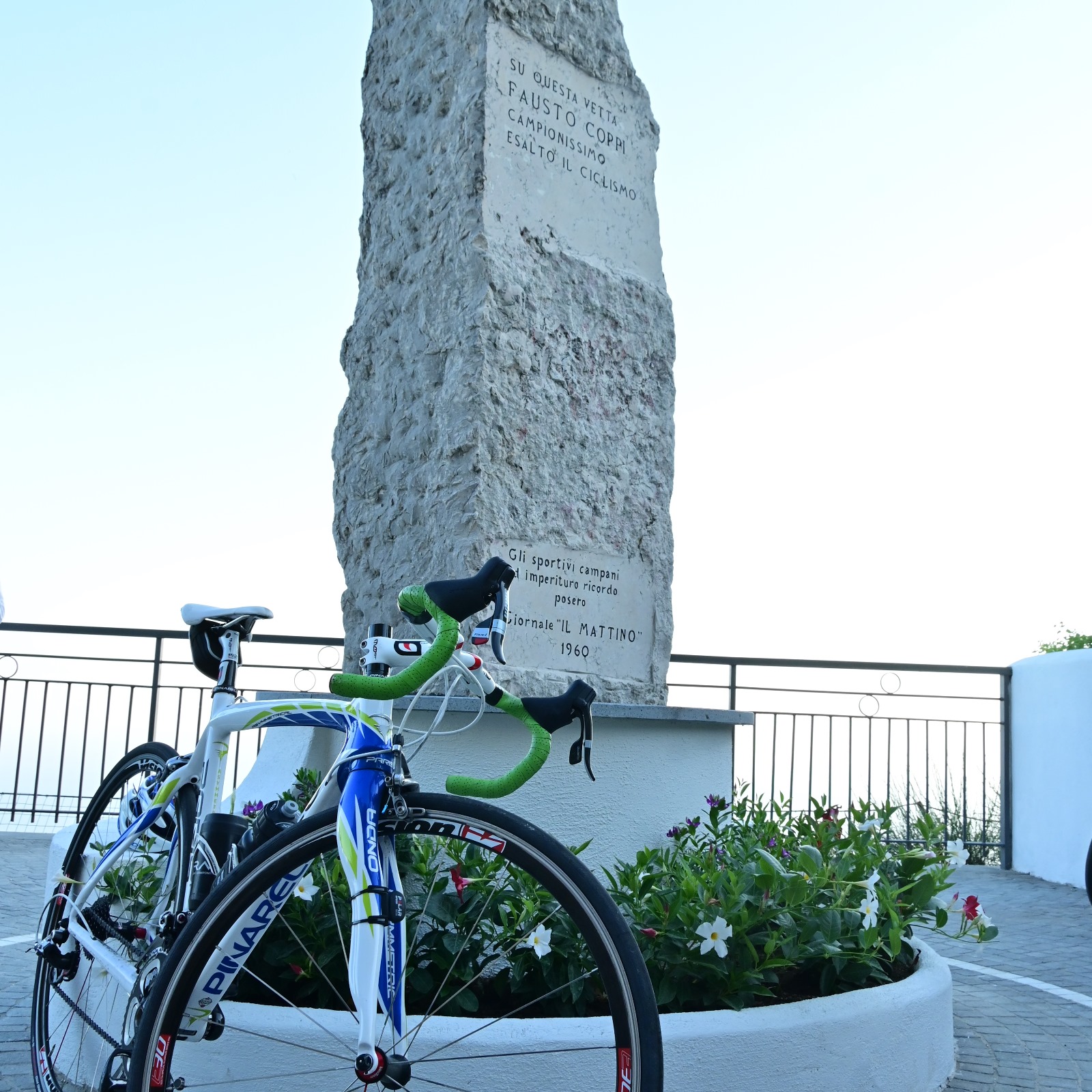
Fausto Coppi Lookout is the gateway to the Amalfi Coast, a corner of paradise where the connection between the deep blue of the sea and the boundless blue of the sky is celebrated. It is not only a beauty for the eyes, but also a challenge for two-wheelers. The Belvedere is the culmination of scenically evocative route, but also the custodian of a fascinating cycling feat that "The Heron" Fausto Coppi entrusted to history. At the center of the Belvedere stands a stela, which the newspaper "Il Mattino" placed in this place to commemorate the feat of the champion Coppi, who in 1955, on this "grim mountain" and in the hairpin bends of the winding climb that connects Amalfi with Agerola, built one of his many epic sporting feats by breaking away from his adversaries and laying the foundations for victory in the Giro della Campania. Here, among the rocks and the endless sky, it reads, "On this peak Fausto Coppi champion exalted cycling."

BELVEDERE FAUSTO COPPI2024-03-20T13:51:17+01:00

BELVEDERE DI PAIPO

"Paipo" is the viewoint overlooking the upper area of the hamlet of Bomerano, below the ridge of Mount Three Calli, whose toponym is assumed to derive from the Greek παίπαλον / pàipalon = precipice, steep place. From such a wonderful rocky balcony one can admire one of the most beautiful views of Positano, Capri and the Sorrento-Amalfitan Peninsula. In that area there is also an altar commonly called Our Lady of Silence from which one of the most beautiful views of Campania can be contemplated. From the view that opens majestically from punta Paipo one can glimpse, among other things, the first part of the Path of the Gods. A place for lovers of beauty, of peace, of the serenity it generates in the soul. In tale area vi è anche un'altare comunamente chiamato la Madonna del Silenzio da cui si può contemplare uno dei panorami più belli della Campania. Dalla visuale che si apre maestosa da punta paipo si intravede, tra l'altro, la prima parte del Sentiero degli Dei. Un luogo per gli innamorati del bello, della pace, della serenità che genera nell'anima. In tale area vi è anche un'altare comunamente chiamato la Madonna del Silenzio da cui si può contemplare uno dei panorami più belli della Campania. Dalla visuale che si apre maestosa da punta paipo si intravede, tra l'altro, la prima parte del Sentiero degli Dei. Un luogo per gli innamorati del bello, della pace, della serenità che genera nell'anima.

BELVEDERE DI PAIPO2024-03-20T13:47:57+01:00

BELVEDERE PUNTA CORONA

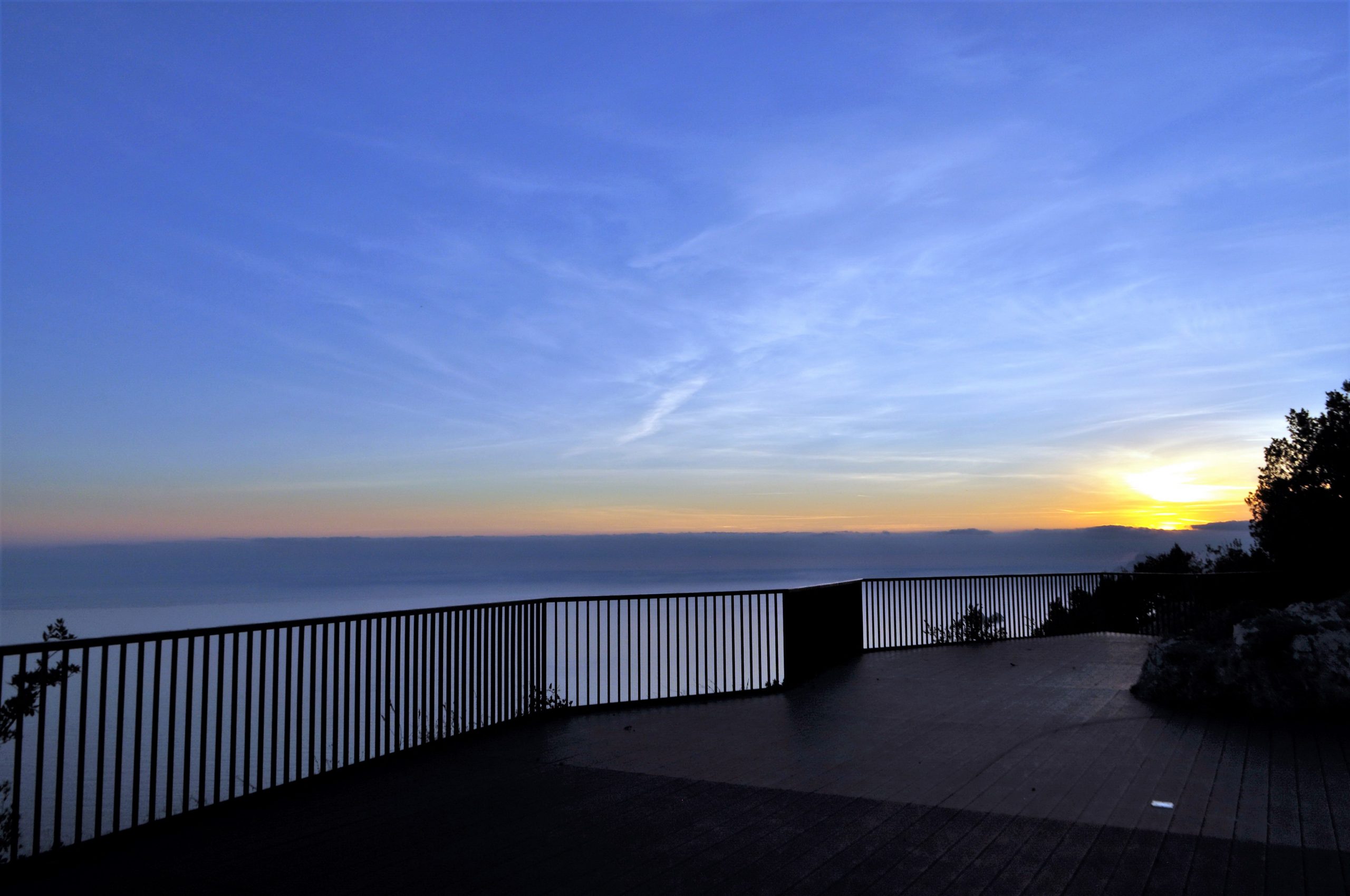
Punta Corona lookout is an enchanted balcony soaring into the hilly void below. The verticality is felt in a unique view that blends into the contemplation of the panorama, like a work of art painted by an artist's hand. Nestled in a vast green area, the tourist park is family-friendly: playground and picnic area, as well as a relaxing tour in a chestnut tree-lined path. Ideal for outdoor sports, in contact with nature and the landscape. The striking belvedere overlooking the divine Amalfi Coast offers a romantic spectacle of light and color, where the blue line of the horizon marks the boundary between sky and sea.

BELVEDERE PUNTA CORONA2024-03-20T13:46:40+01:00

PUNTA MIRAMARE

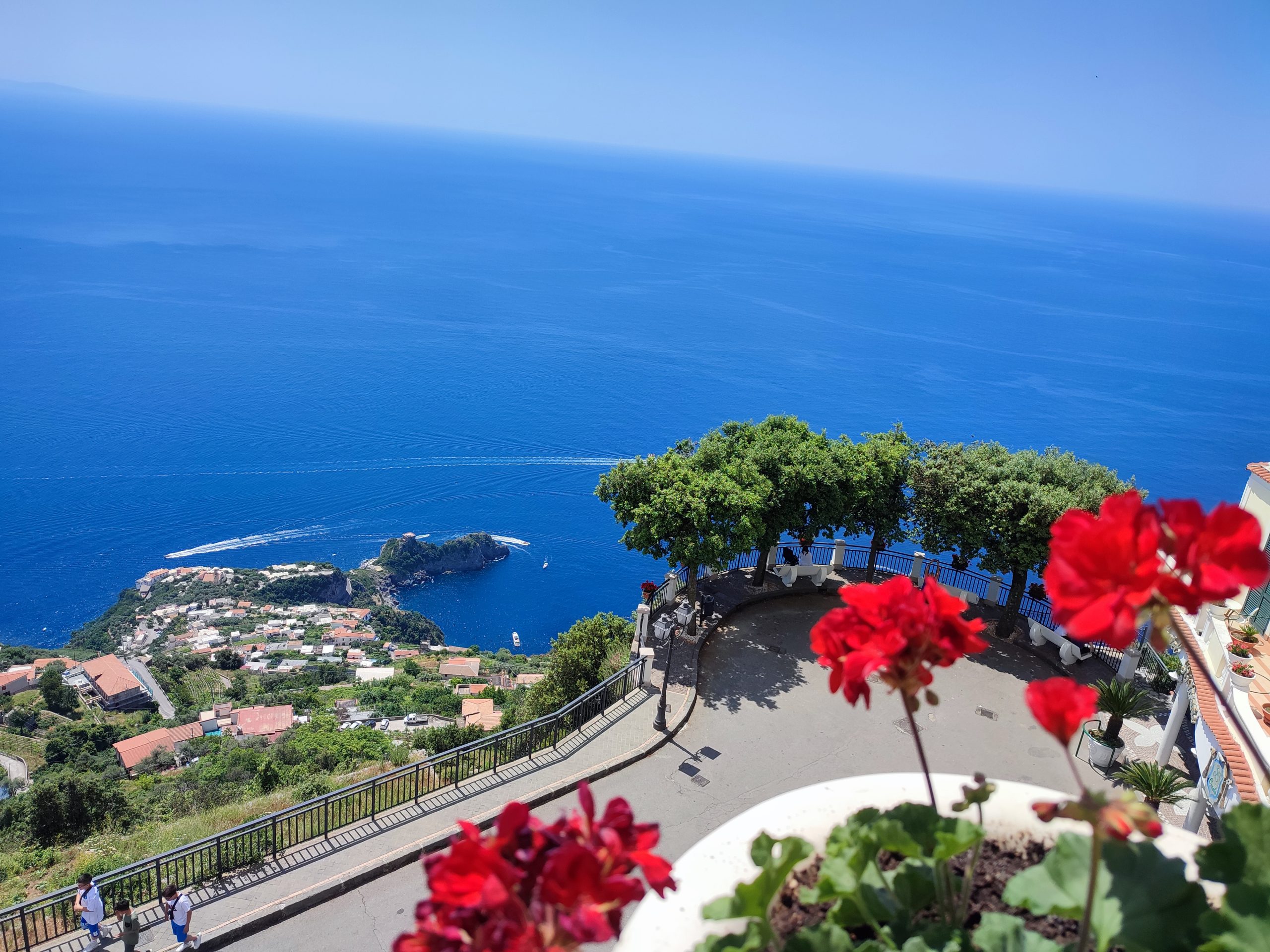
This viewpoint known also as Punta di San Lazzaro, has an important historical meaning, having been the place that inspired Neapolitan poet Salvatore Di Giacomo to compose of one of his most important artistic masterpieces, the famous lyric "Luna d'Agerola" (Agerola’s moon). The belvedere overlooks, from above, Capo di Conca, offering a view of the Cilento Coast on its left and the coastal landscape of Punta Campanella on its right.

PUNTA MIRAMARE2024-03-20T13:45:17+01:00

VILLA COPPOLA

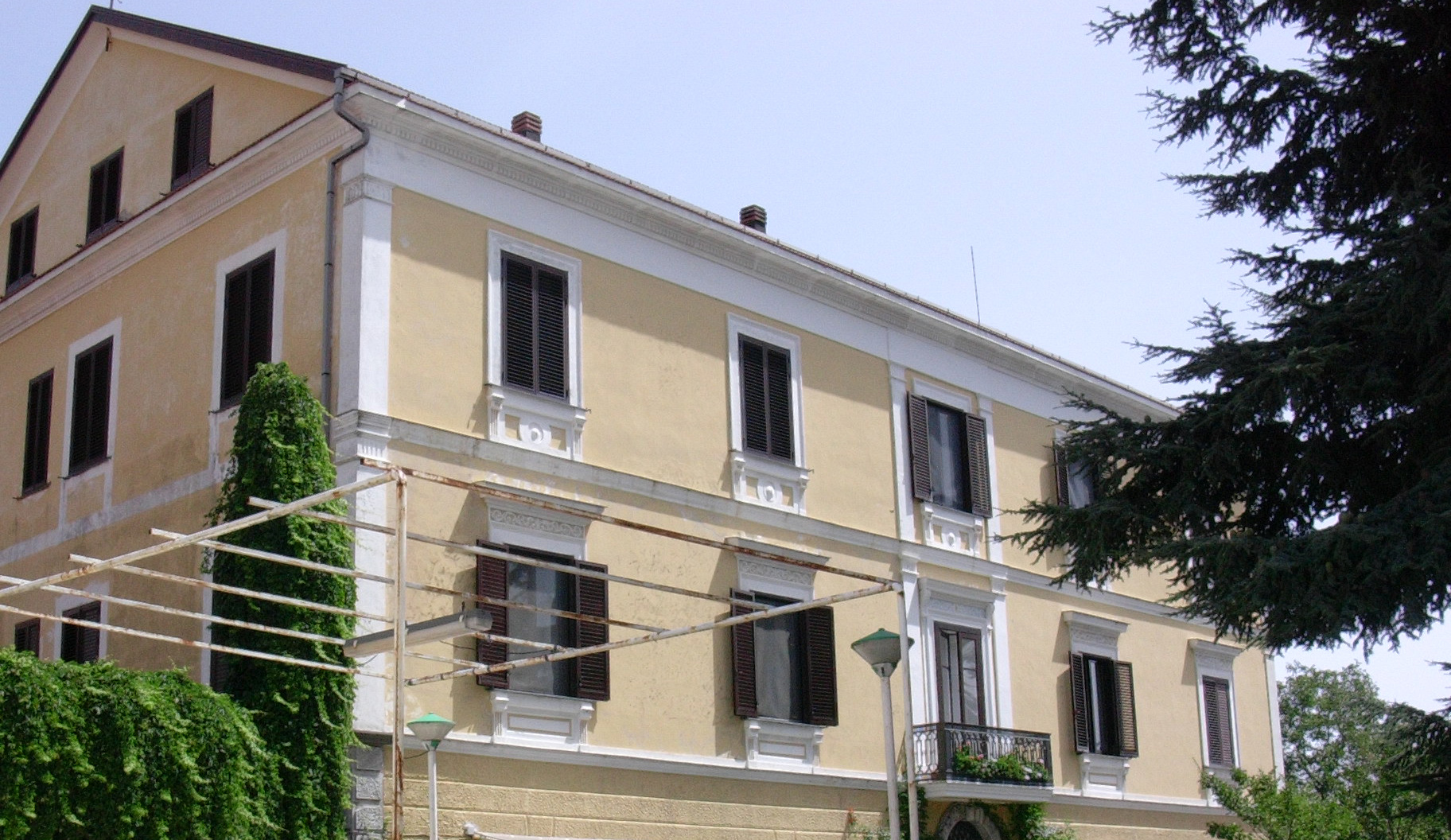
Villa Coppola one of Agerola oldest and noblest families, historic residence: the Coppolaa. Enclosed by a centuries-old, fenced garden, it dominates San Lazzaro’s main square. It was the home of Antonio Coppola (a. 1844/1919), lawyer and district attorney of the king at the Court of Ancona, Attorney General at the Court of Cassation, President of the Court of Appeals of Messina, and First President of the Court of Appeals of Ancona and of Andrea Coppola, (a. 1849/1937) lawyer and notary public. He had the second highest income in Agerola with thirty-five ducats and forty-one grana. Several times mayor of Agerola, he worked for the construction of the Pianillo - S. Lazzaro road, the road from Gragnano, the creation of a Post Office and the construction of the permanent municipal cemetery.

VILLA COPPOLA2024-03-20T13:41:16+01:00

PALAZZO ACAMPORA

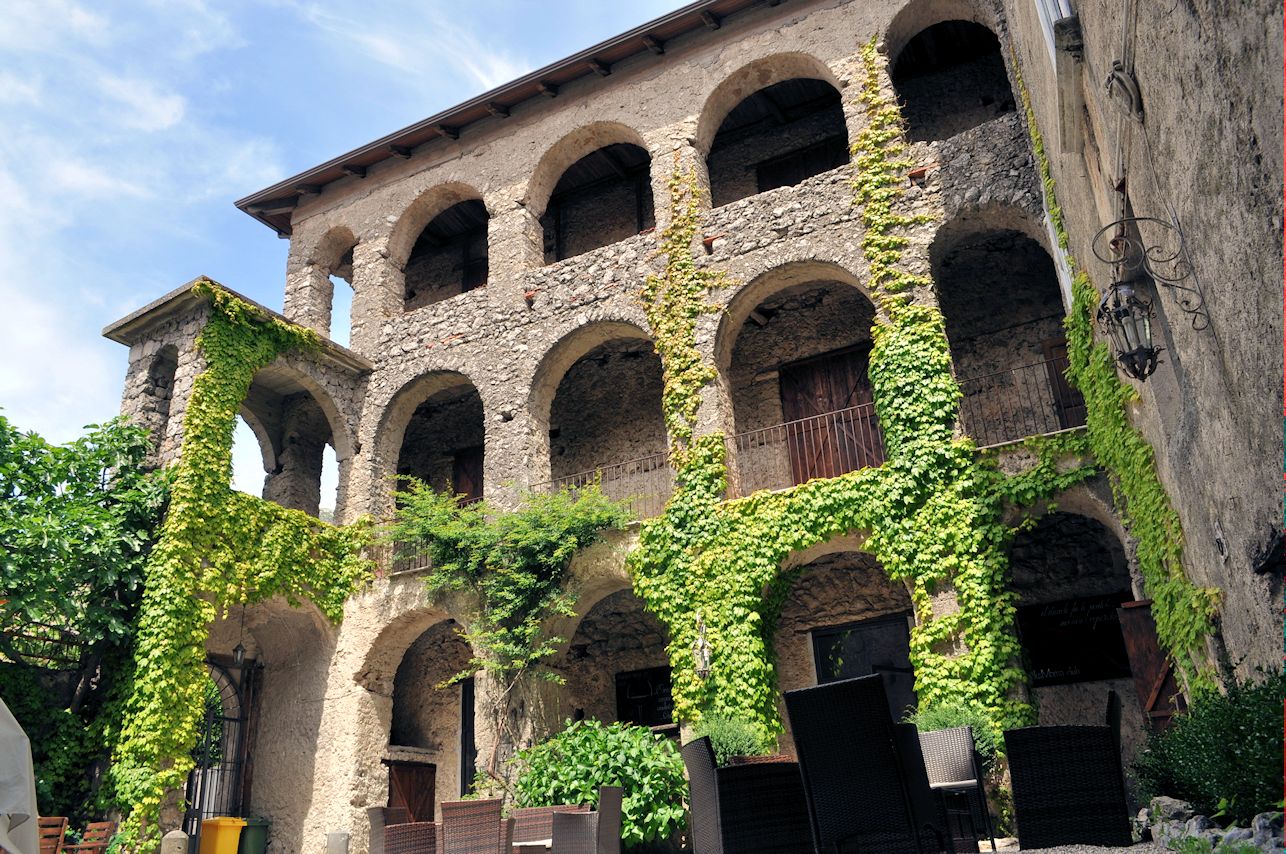
Palazzo Acampora, dating back to the 18th century is one of the rare examples of the upper Amalfi Coast patrician residence and architecture. Dwelling for over two hundred years of the Acampora family of Corfu, the lineage as evidenced by the predicate of Corfu originate from the noble families who ruled over the island itself, during the Venetian domination of the Greek island which protracted until beyond the middle of the eighteenth century, The link with the lagoon city is also evidenced by some glass-paste mosaics in the palace from Murano dating back to the late 19th century, in which the virtues and origins of the Acampora family and in particular of Sir Francesco are praised. One of the two family coats of arms is most likely linked to the domain of Corfu; the one above the Acampora family chapel in the parish church of St. Matthew the Apostle in Bomerano (also painted on the large hearth in the kitchen of the noble apartment), bearing two pigeons at the base of a large pine tree. The second (antique silver lily on a blue field) of Bourbon concession, successive to the previous one, is placed at the top of the main door of the palace and is also frescoed at the entrance to the historic apartment. The scene of a fascinating family saga, which also tragically affected the figure of General Avitabile, the affairs of the Acampora household significantly influenced the history of the upper coast throughout the nineteenth century until the first thirty years of the twentieth. Prominent personalities from the world of politics and culture in the early twentieth century were regular guests at Palazzo Acampora. Among them was the maestro Francesco Cilea who, with the marquise Rosa his bride, habitually spent his summer vacations in Agerola as a guest of the family, (his famous notes still resonate on the grand piano in the ballroom) and the fraternal friend the Honorable Enrico De Nicola, who later became the first President of the newly formed Italian Republic. A century later, a careful and zealous renovation by the family's last descendants has restored to their former glory, the historic apartment (along with the original furnishings, frescoes, polychrome faux marbles, and paintings by Pallegiani), the cellars, the courtyard, and the beautiful Neapolitan staircase. Period: 17th century
PALAZZO ACAMPORA2024-03-20T11:12:16+01:00

CHIESA SAN LORENZO MARTIRE

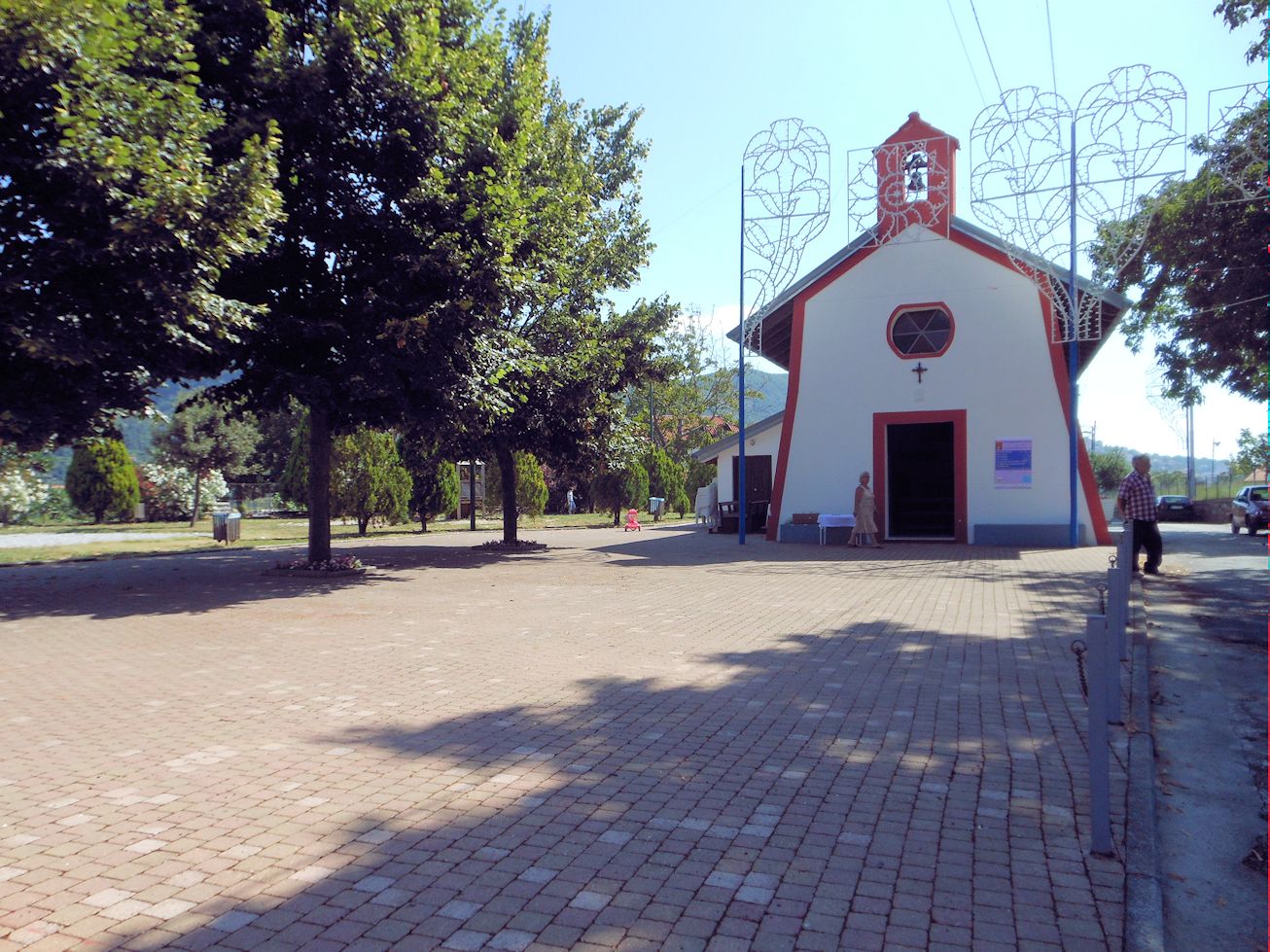
A small church of very ancient origin is the one dedicated to S. Lorenzo Martire, located far from the town of Bomerano and specifically in the homonymous locality of San Lavrienzo. Dating back to the time of Queen Joanna I of Anjou, in 1300, the small church of San Lorenzo Martire has a typically Agerolese structure, with straight trapezoidal external walls and reinforcing counter-walls. It has a cage bell tower on which the bells are hoisted and a single rectangular nave.

CHIESA SAN LORENZO MARTIRE2024-03-18T11:59:34+01:00

CHIESA SANTA MARIA DI LORETO – Campora

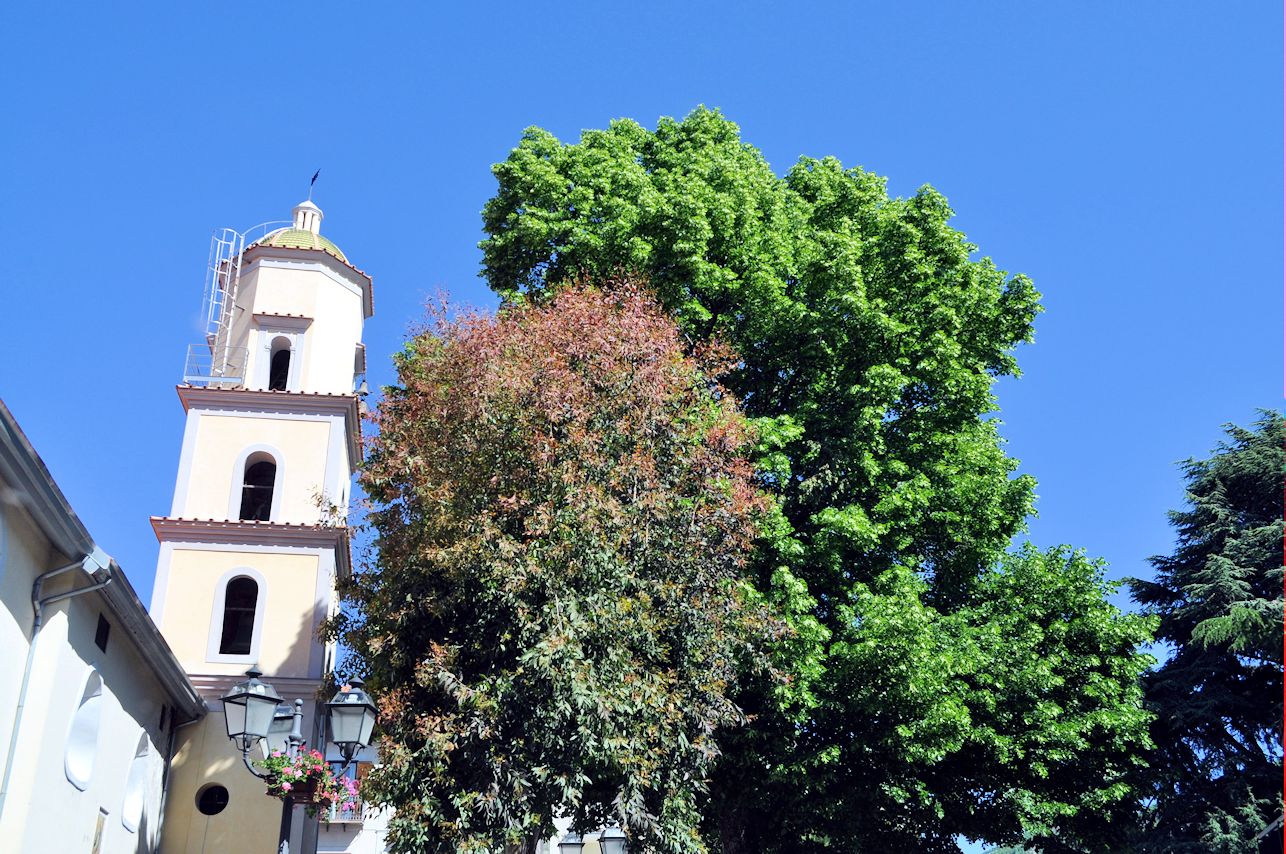
Ancient church dedicated to St. Mary of Loreto, erected in 1478 by Teodosio Acampora, enlarged in the first half of the 1700s and restored after the 1980s earthquake. It was the parish seat, as evidenced by pastoral visits, from 1572 until 1942 after the collapse of the ancient church of San Martino Vetere, which was located downriver from the town.

CHIESA SANTA MARIA DI LORETO – Campora2024-03-18T11:57:25+01:00

CHIESA SAN MICHELE ARCANGELO

The church dedicated to St. Michael the Archangel was built in 1680 by Antonio de Acampora, who reserved for himself and his inheritors, burial in the pit erected at his own expense in the floor, as evidenced by the marble plaque affixed to the closure.

CHIESA SAN MICHELE ARCANGELO2024-03-18T11:56:02+01:00

CHIESA SANTISSIMA ANNUNZIATA

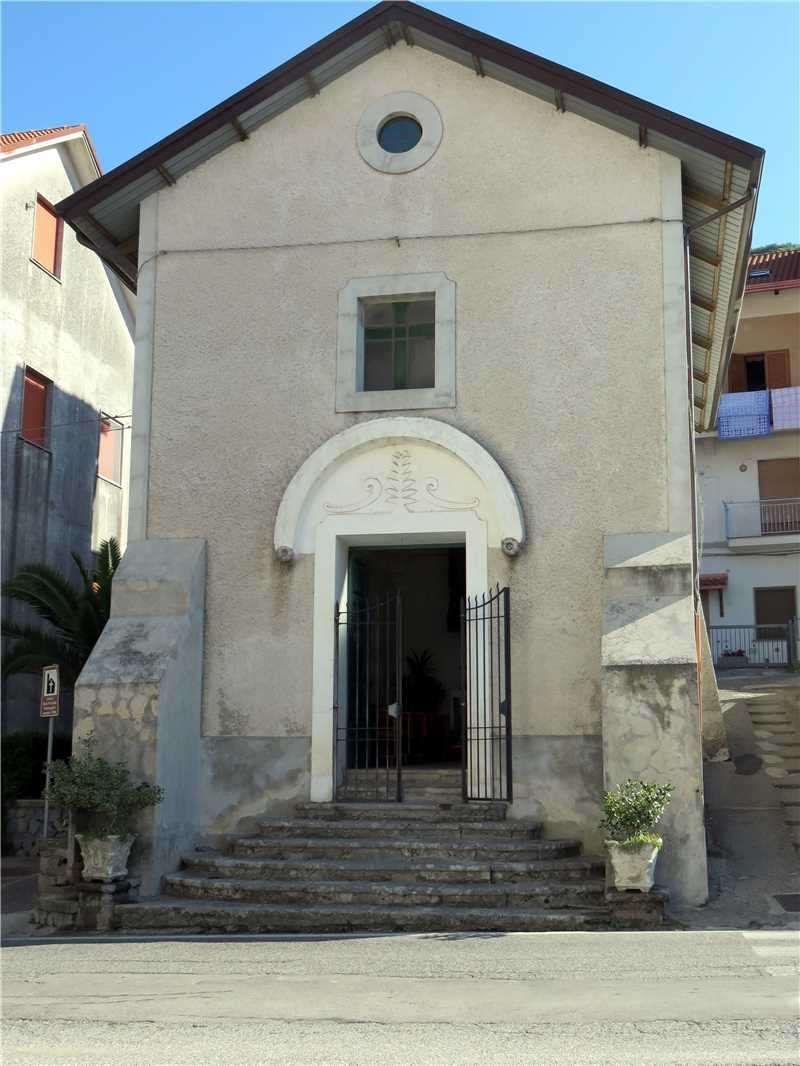
Located in the square named after General Avitabile, it elegantly closes, with its sober facade, the backstage that corners the ancient entrance to the stables of General Avitabile's castle.

CHIESA SANTISSIMA ANNUNZIATA2024-03-18T11:54:39+01:00
Go to Top