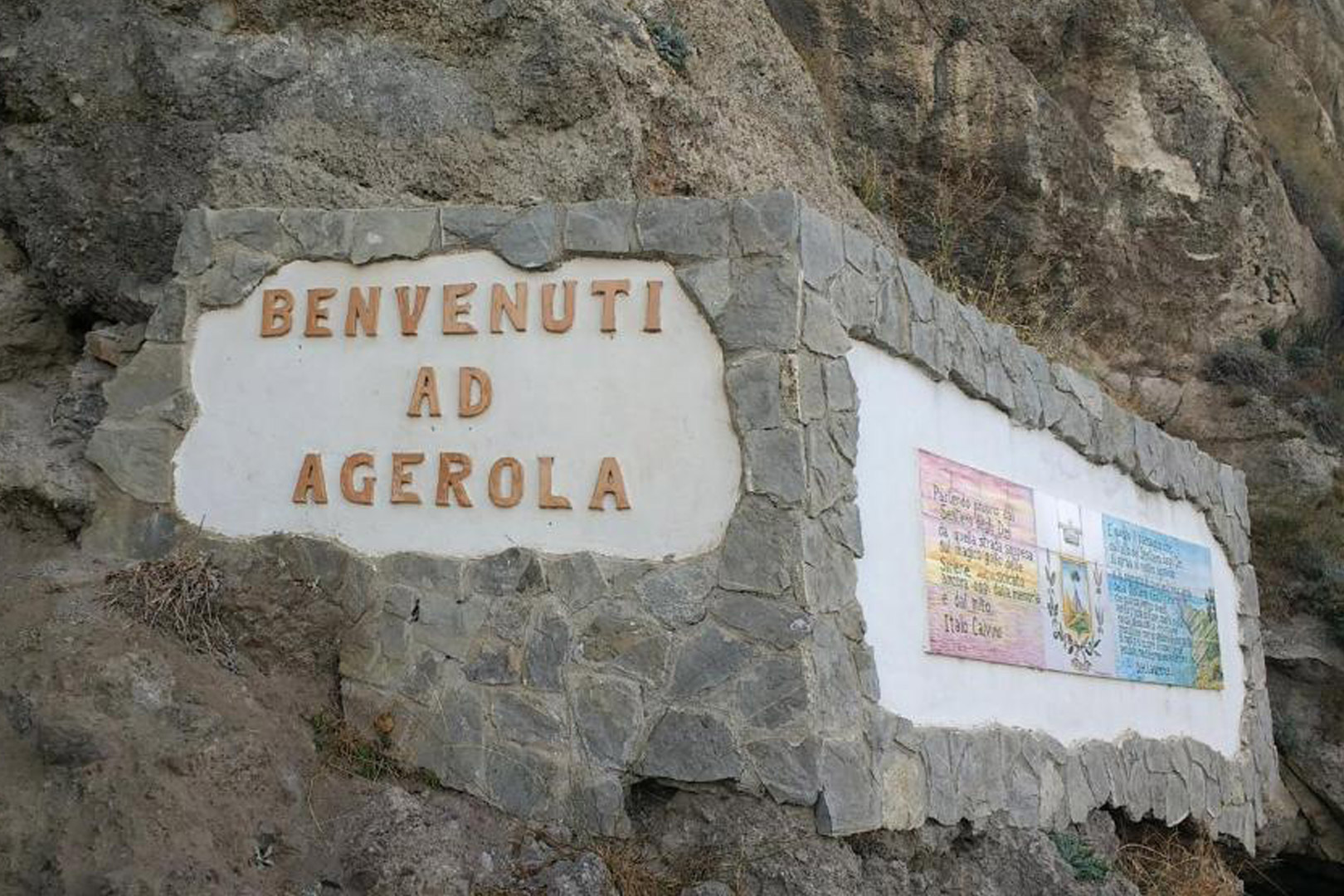
Agerola is the springboard for enriching the heart with higher emotions that belong only to the beauties of nature. Abandon earthly thoughts and leave room for the regeneration of each and every atom.
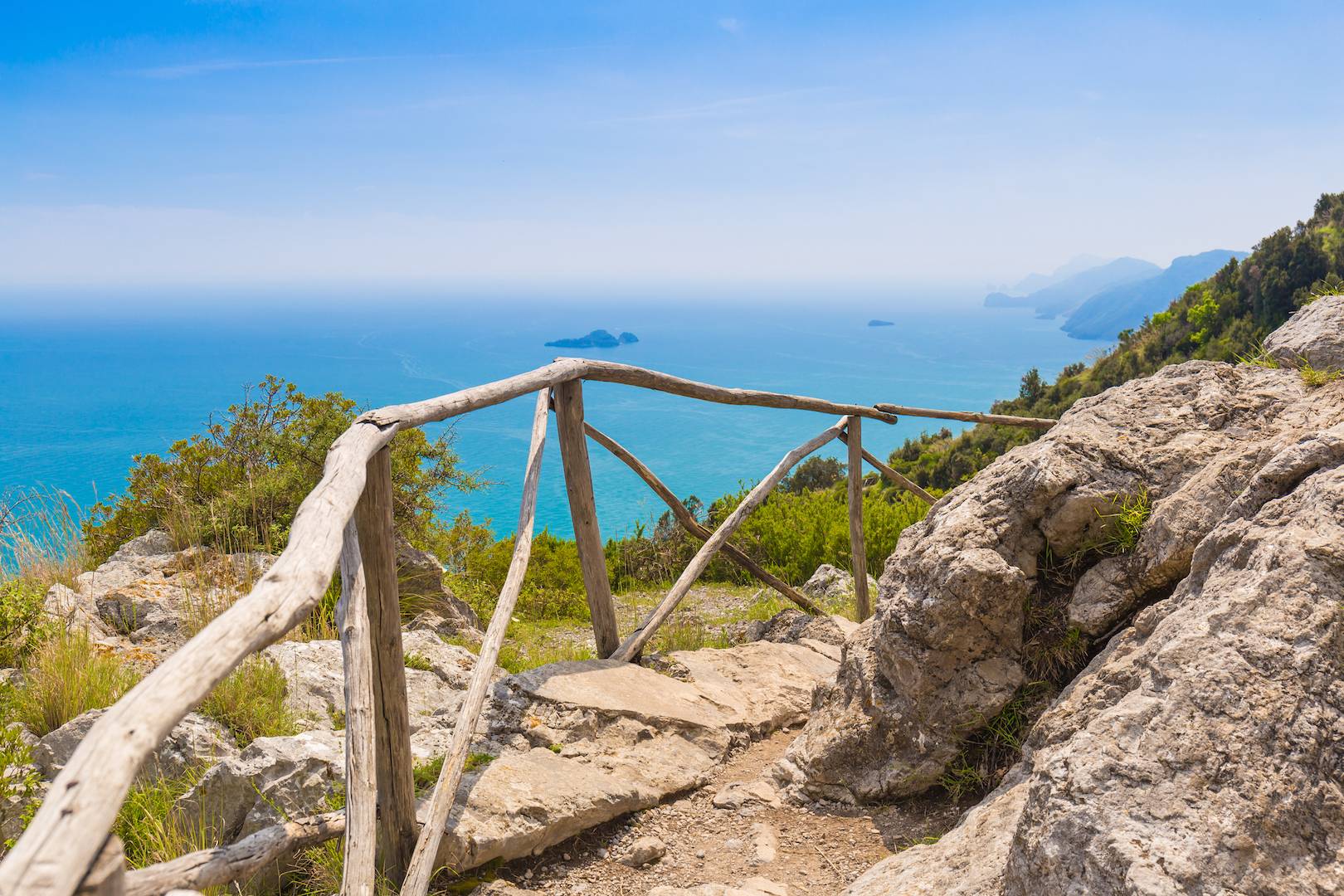
Routes carved into a landscape of great charm, winding between green and blue, through valleys, forests, rivers, waterfalls and flower meadows rich in rare species. Some of these evocative routes, taking paths and mule tracks traced in their time by shepherds and peasants, connect rural nuclei that speak of remote customs and traditions; others reach villages, hermitages, and beaches that have maintained their specificity intact over the centuries and today constitute jewels of history and culture, recognized throughout the world.
SANTA MARIA AL CASTELLO
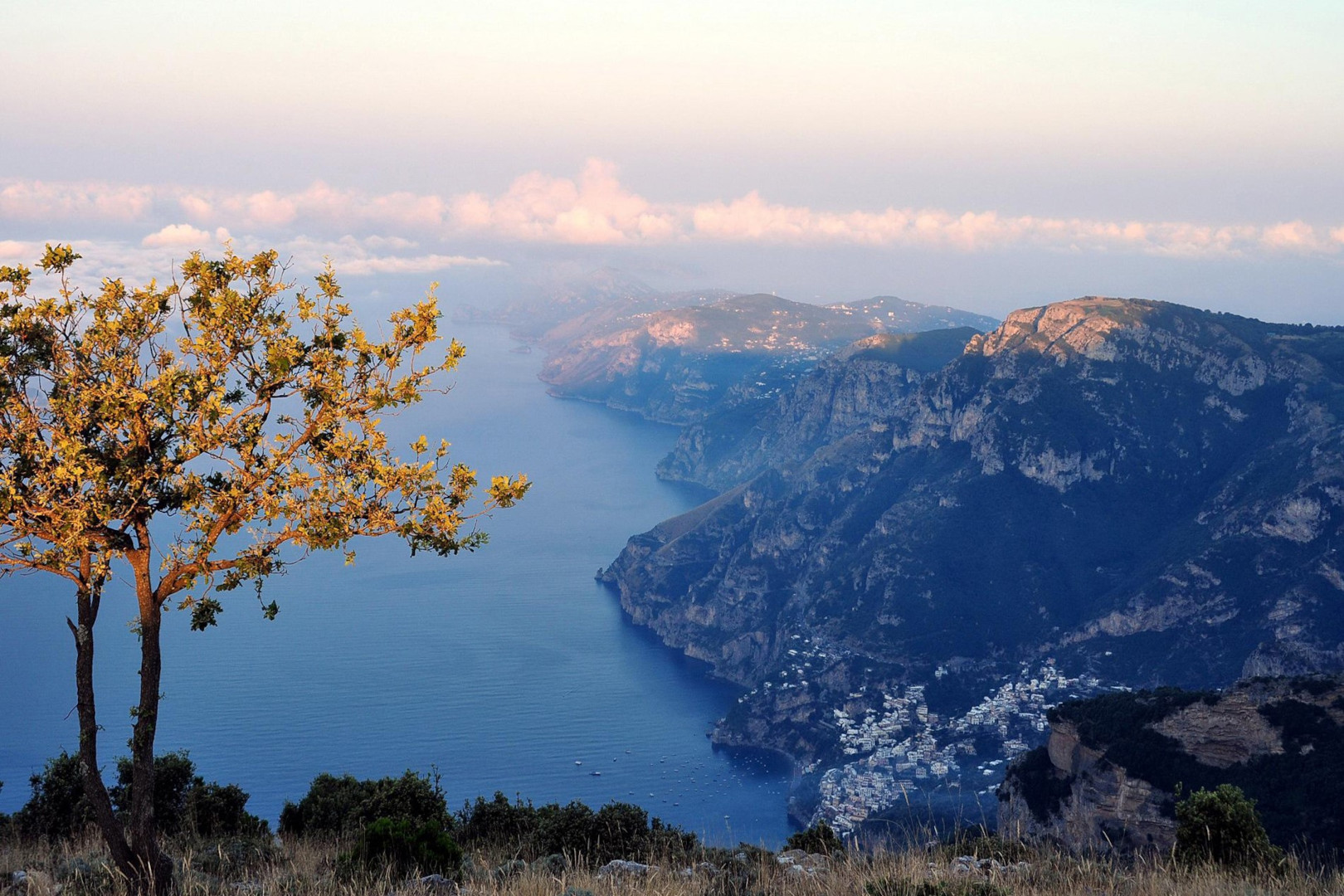
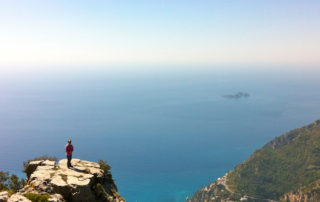
Path of outstanding natural beauty overlooking the coast between Positano and Praiano running parallel to Path 2, from about 850 to 650 m. Along the way you will see the impressive residue of a large landslide collapse, the jagged peaks of the M. Tre Pizzi and striking vegetation changes.
ALLA CORTE
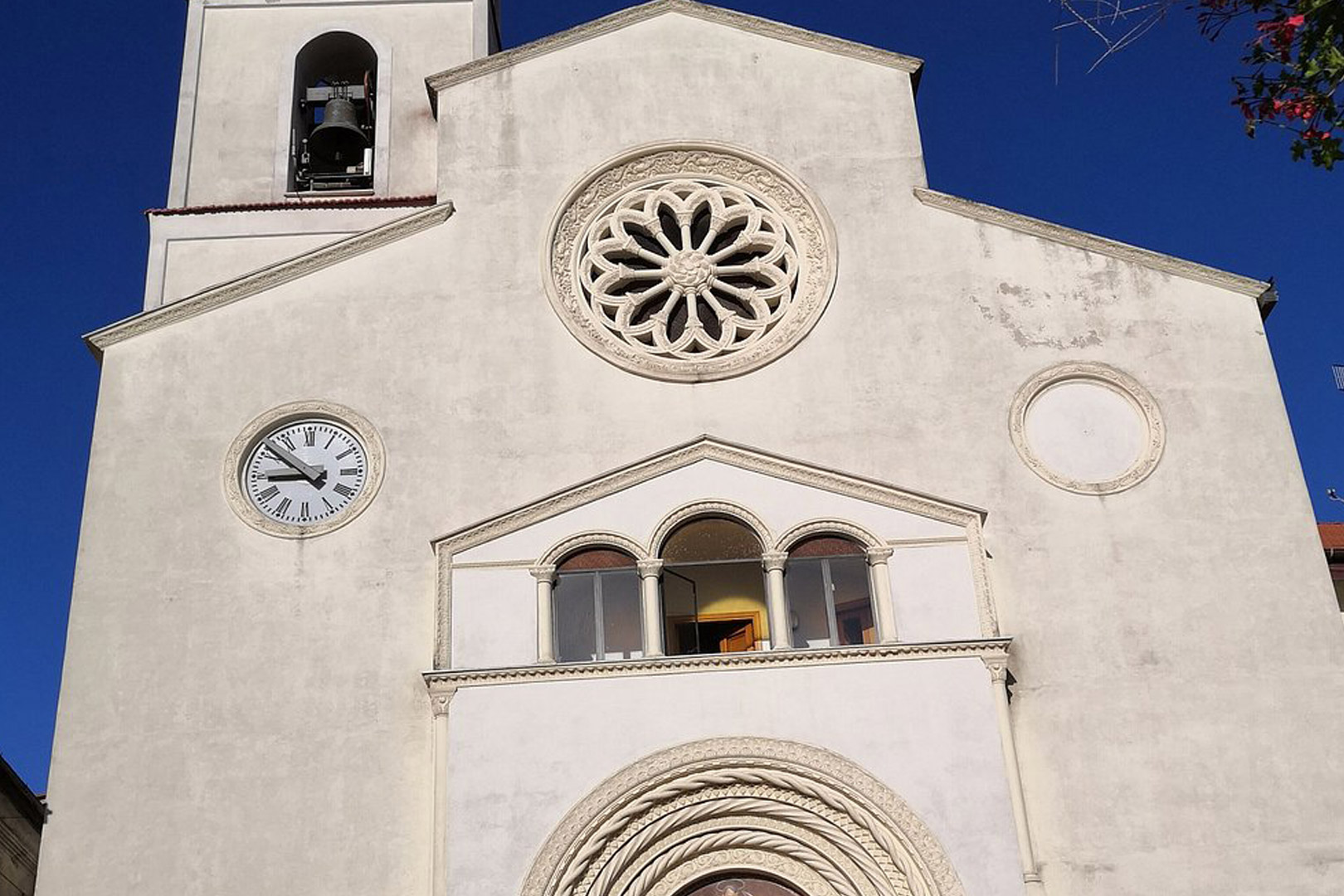
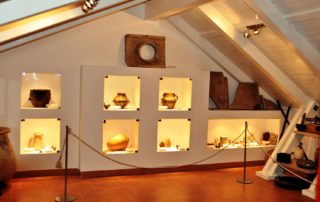
In Piazza Unità d'Italia (former Town Hall square), is the old town hall, recently restored and renamed the Court House. The historic building now houses the city council chamber, the historic section of the city library and spaces and it is used for the artistic Agerolaarte exhibitions. In the same building there is the Ethno-Antropological Museum, a significant space in which are stored all the symbols of Agerola historical memory. This urban route is characterized by its strong historical meaning, from the Museum and onto a narrow road that runs through the historic Via Roma street, one arrives at the thirteenth century St. Peter the Apostle Church. Inside a chapel that houses the statue of St. Anthony, Agerola's patron saint, and eighteenth and nineteenth centuries works of art. Leaving the church, going back a few steps, a typical country lane begins in a portico, then continues lined with orchards and vineyards, up to the Church of Santa Maria La Manna, with a precious marble statue. Continue down to the junction and walk along Via Croce, the ancient road connecting the two villages of Pianillo and Santa Maria, which still retains traces of rural architecture and along which you can see the façade of the church of Santa Croce, dating to the seventeenth century. The path ends back in Piazza Unità d'Italia.