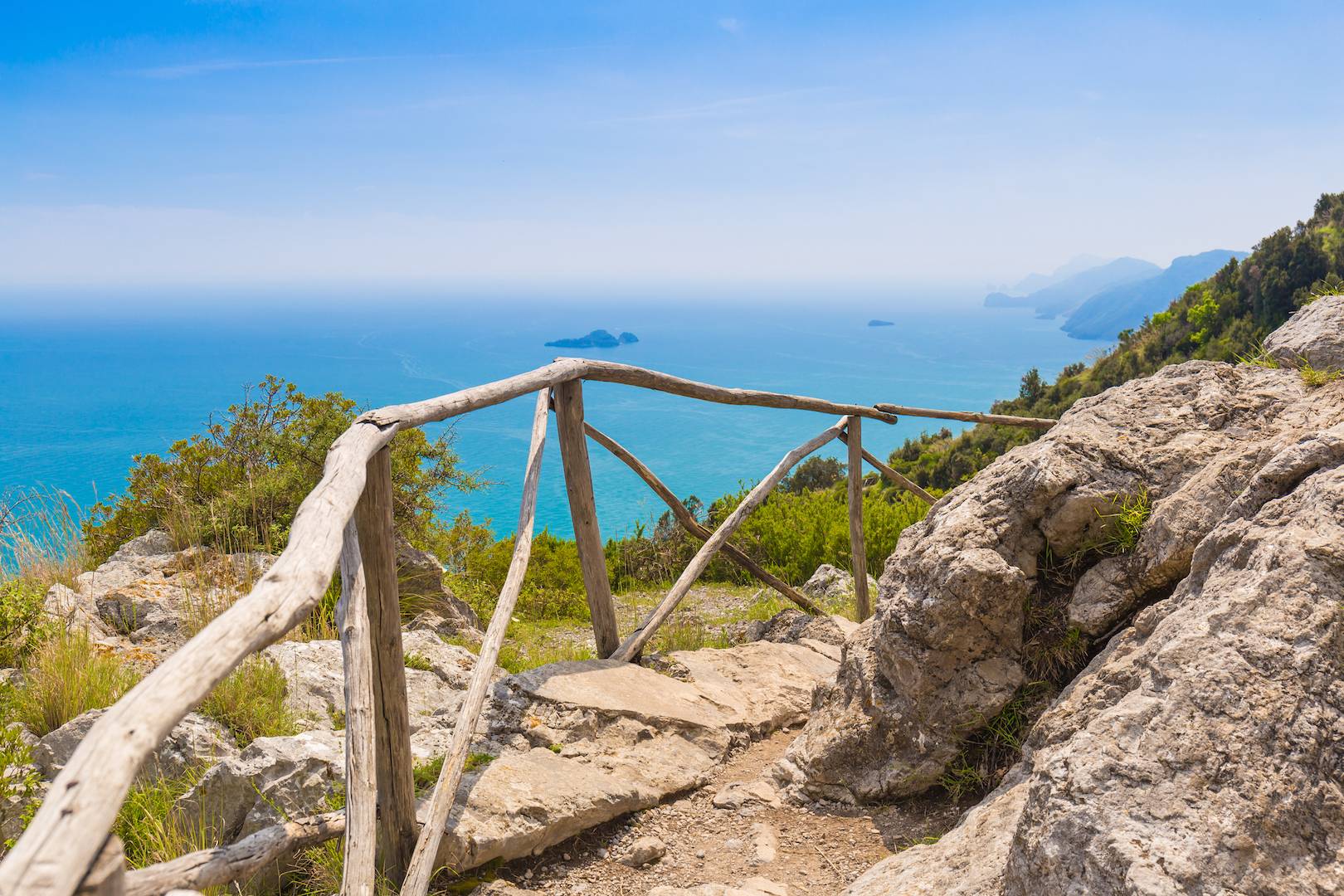
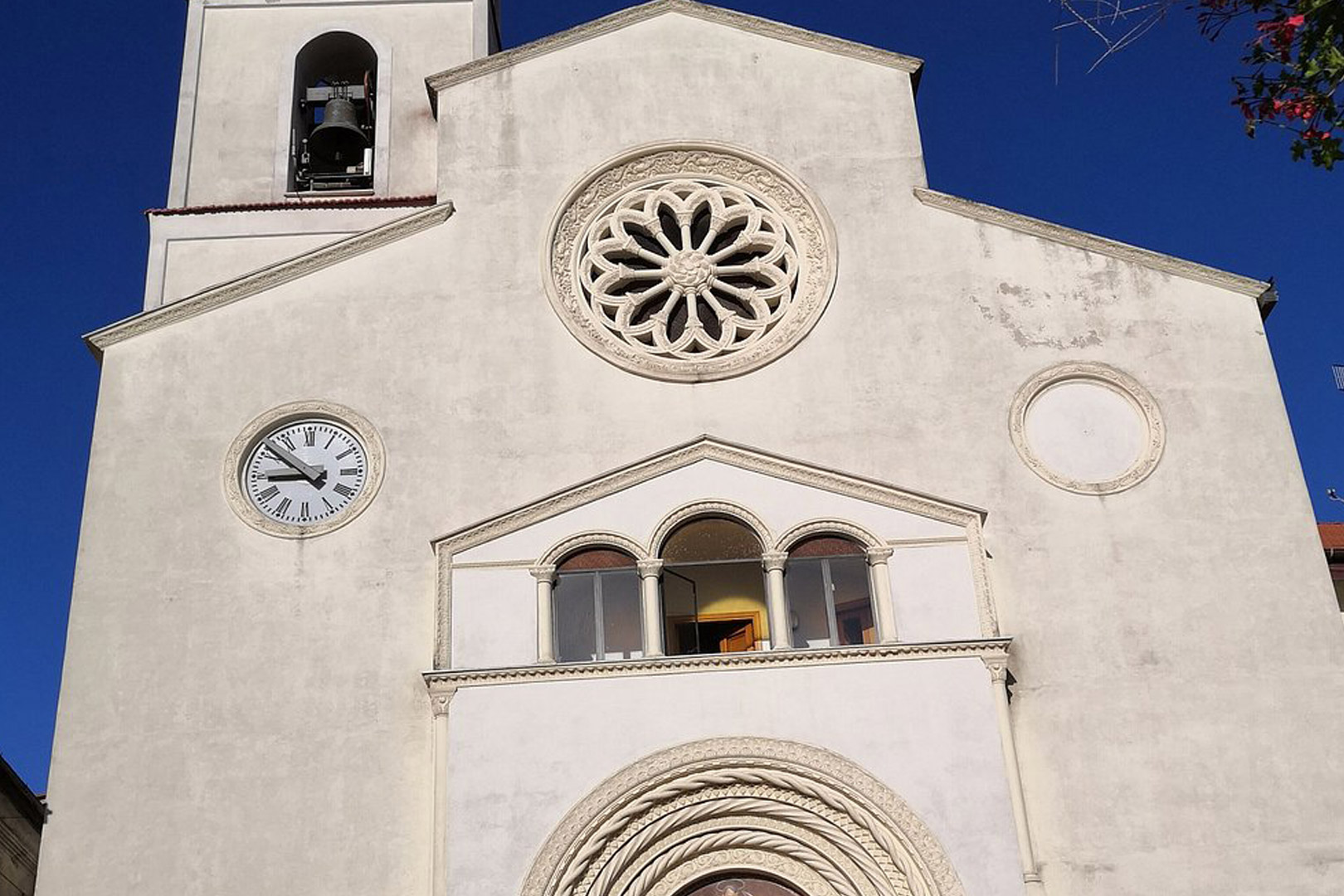
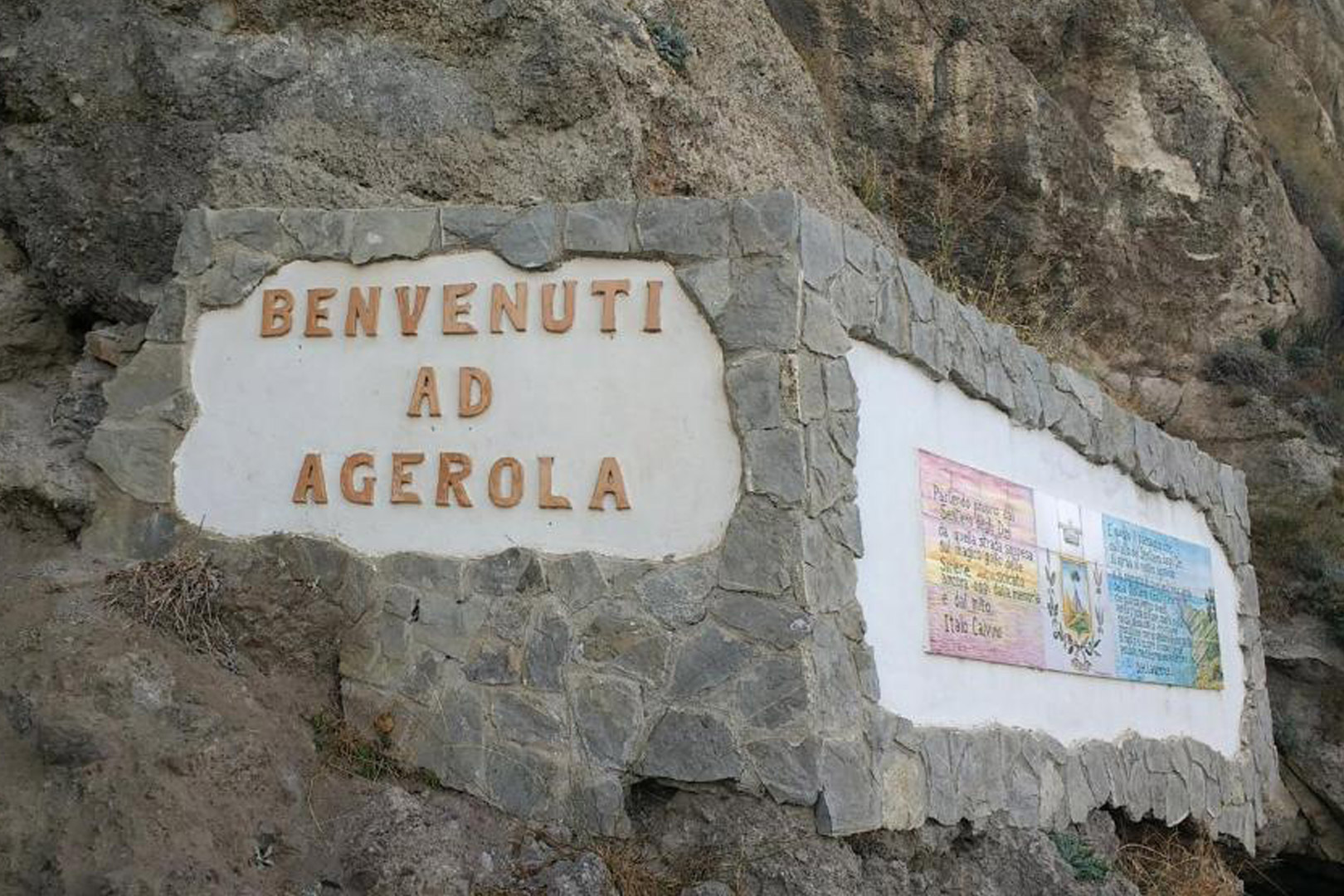
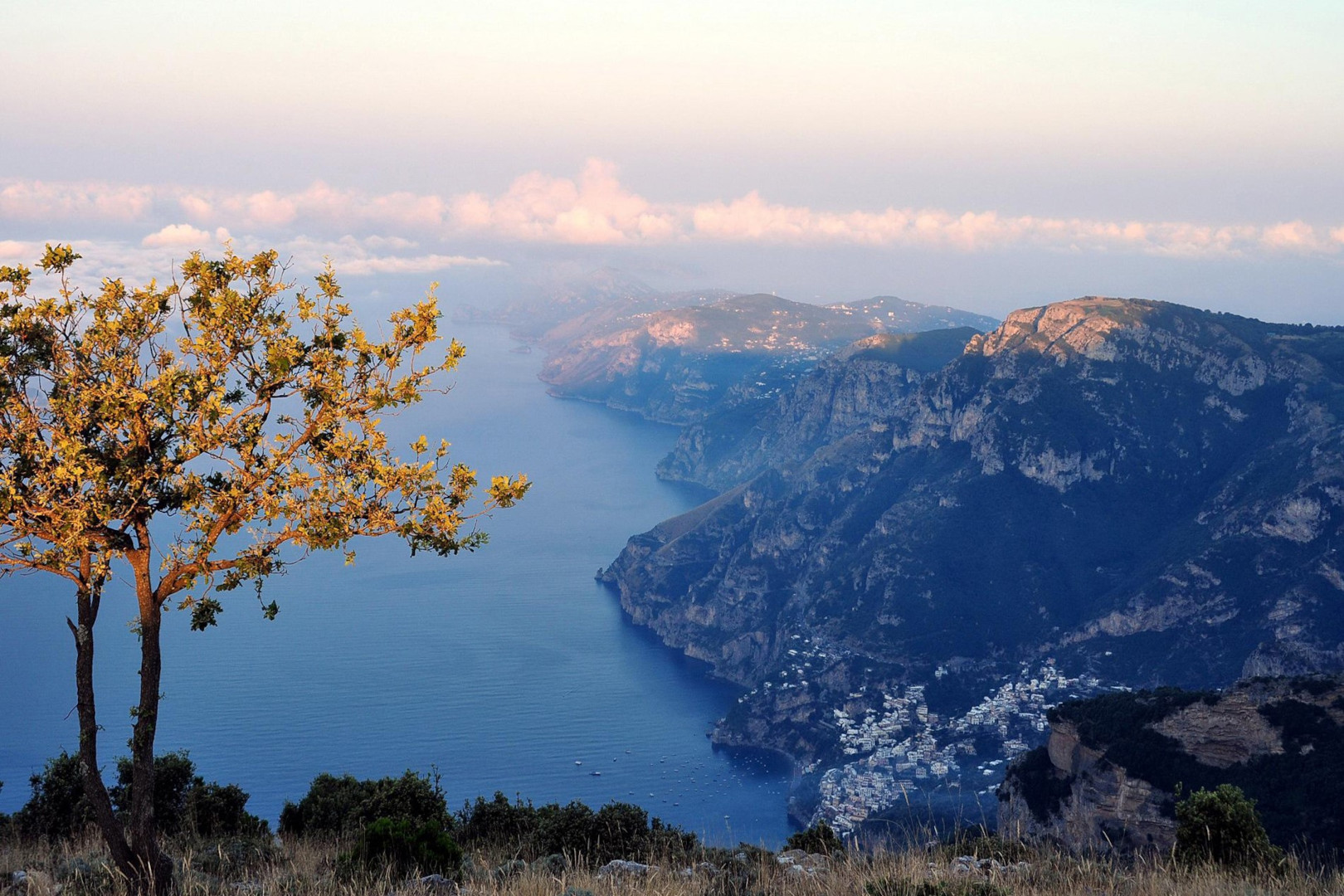
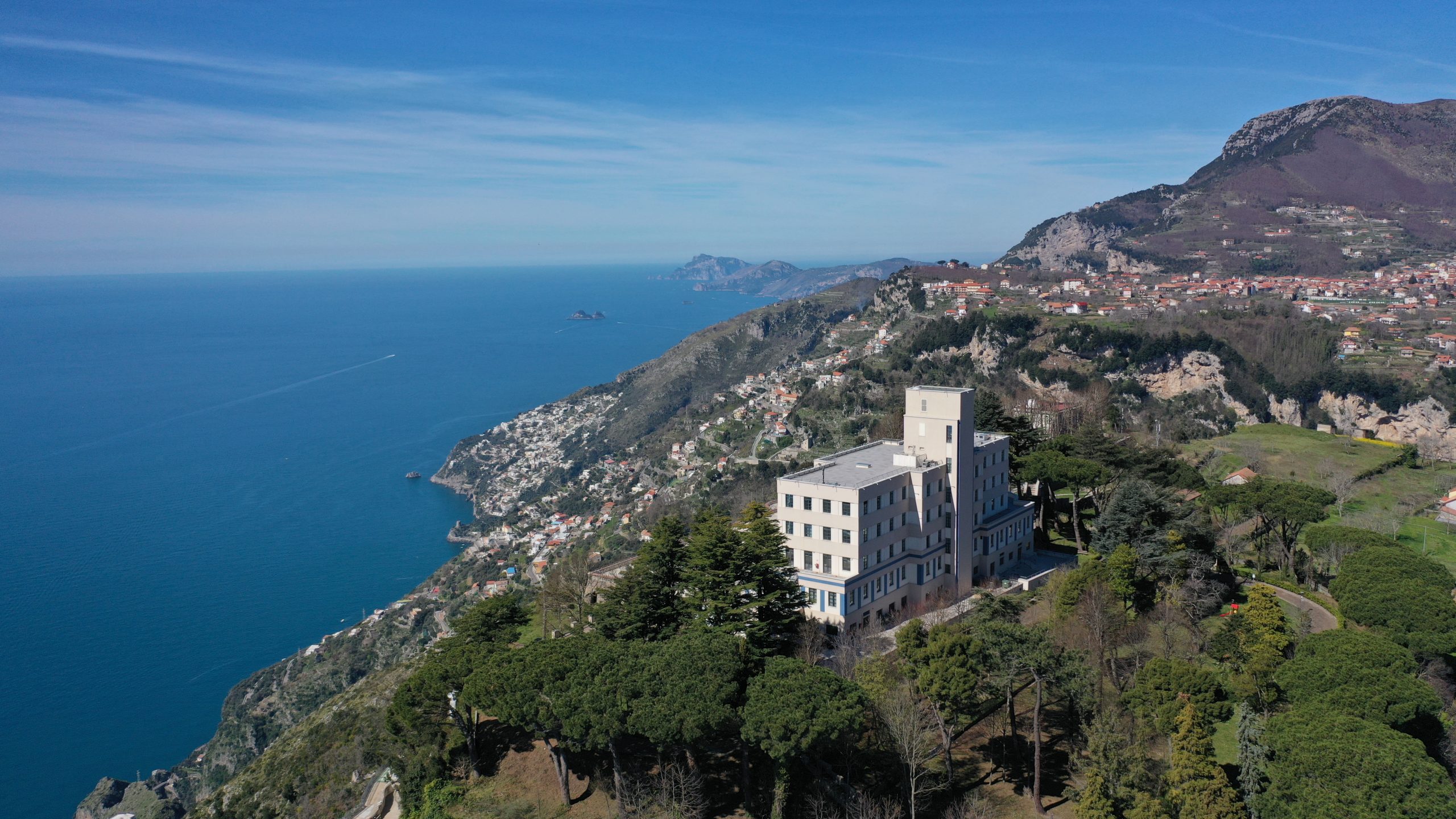
Agerola is a land rich in ancient and genuine traditions that represent its unique and special culture, these are embellished by a wide-ranging panorama that has been, and always is, a source of inspiration for all the arts. The land of the Gods, in fact, expresses the authenticity of Campania’s cultural heritage, through the will and dreams of men who have collected and preserved throughout a lifetime memories, which illustrate deep down, a bygone era, but still relevant today. Agerola is the land that smells of must, chestnuts and cheese, of wood for burning or working, where the glitter of iron wrought by skilled hands or the warmth of the kitchen always makes you feel at home … coveted destination even after a long journey, where everything is poetry! Here we find several historic buildings such as La casa della corte, a building dating back to 1461, which now houses the Museo Civico, home to a very important archaeological section and a peasant memory. The museum is also a showcase of art galleries and exhibitions of famous Campanian artists, from painting to sculpture to photography. In the land of the gods, pearls of art and traditions are revealed to be discovered. An ideal place for vacations, not only because of the great charm of the landscape, but also because of the presence of the Festival “On the Paths of the Gods,” which from July to September gives a continuum of remarkable encounters from music to theater, from culinary art to craft creations … event not to be missed!
PARCO COLONIA MONTANA
The stupendous panorama of the Amalfi Coast intensifies the view along the slightly uphill lane that, from Piazza General Avitabile, leads to the entrance of Colonia Montana’s Park.
BELVEDERE FROM CASTELLO LAURITANO
Shaded by the remnants of a fortress, this vantage point is reached from Gen. Avitabile Square, via a convenient road immersed in a chestnut coppice forest. Dating back to the time of the Maritime Republics, built as a bulwark of one of the most beautiful and evocative settings in the world, Lauritano Castle presents itself as a balcony not only over Amalfi, its cathedral and its sea, but also over the historic towns of Scala, Ravello as far away as Punta Licosa in Cilento.
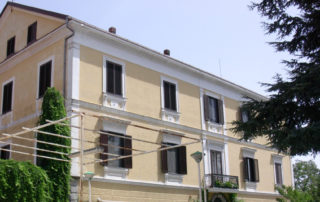
VILLA COPPOLA
Villa Coppola one of Agerola oldest and noblest families, historic residence: the Coppolaa. Enclosed by a centuries-old, fenced garden, it dominates San Lazzaro’s main square. It was the home of Antonio Coppola (a. 1844/1919), lawyer and district attorney of the king at the Court of Ancona, Attorney General at the Court of Cassation, President of the Court of Appeals of Messina, and First President of the Court of Appeals of Ancona and of Andrea Coppola, (a. 1849/1937) lawyer and notary public. He had the second highest income in Agerola with thirty-five ducats and forty-one grana. Several times mayor of Agerola, he worked for the construction of the Pianillo - S. Lazzaro road, the road from Gragnano, the creation of a Post Office and the construction of the permanent municipal cemetery.
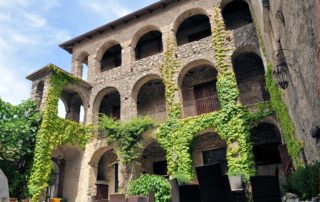
PALAZZO ACAMPORA
Palazzo Acampora, dating back to the 18th century is one of the rare examples of the upper Amalfi Coast patrician residence and architecture. Dwelling for over two hundred years of the Acampora family of Corfu, the lineage as evidenced by the predicate of Corfu originate from the noble families who ruled over the island itself, during the Venetian domination of the Greek island which protracted until beyond the middle of the eighteenth century, The link with the lagoon city is also evidenced by some glass-paste mosaics in the palace from Murano dating back to the late 19th century, in which the virtues and origins of the Acampora family and in particular of Sir Francesco are praised. One of the two family coats of arms is most likely linked to the domain of Corfu; the one above the Acampora family chapel in the parish church of St. Matthew the Apostle in Bomerano (also painted on the large hearth in the kitchen of the noble apartment), bearing two pigeons at the base of a large pine tree. The second (antique silver lily on a blue field) of Bourbon concession, successive to the previous one, is placed at the top of the main door of the palace and is also frescoed at the entrance to the historic apartment. The scene of a fascinating family saga, which also tragically affected the figure of General Avitabile, the affairs of the Acampora household significantly influenced the history of the upper coast throughout the nineteenth century until the first thirty years of the twentieth. Prominent personalities from the world of politics and culture in the early twentieth century were regular guests at Palazzo Acampora. Among them was the maestro Francesco Cilea who, with the marquise Rosa his bride, habitually spent his summer vacations in Agerola as a guest of the family, (his famous notes still resonate on the grand piano in the ballroom) and the fraternal friend the Honorable Enrico De Nicola, who later became the first President of the newly formed Italian Republic. A century later, a careful and zealous renovation by the family's last descendants has restored to their former glory, the historic apartment (along with the original furnishings, frescoes, polychrome faux marbles, and paintings by Pallegiani), the cellars, the courtyard, and the beautiful Neapolitan staircase. Period: 17th century
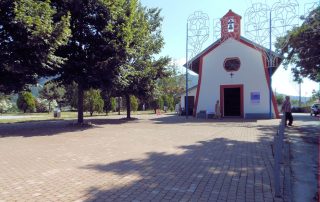
CHIESA SAN LORENZO MARTIRE
A small church of very ancient origin is the one dedicated to S. Lorenzo Martire, located far from the town of Bomerano and specifically in the homonymous locality of San Lavrienzo. Dating back to the time of Queen Joanna I of Anjou, in 1300, the small church of San Lorenzo Martire has a typically Agerolese structure, with straight trapezoidal external walls and reinforcing counter-walls. It has a cage bell tower on which the bells are hoisted and a single rectangular nave.
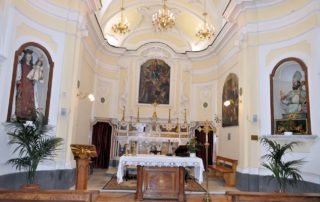
CHIESA SANTA MARIA DI LORETO – Campora
Ancient church dedicated to St. Mary of Loreto, erected in 1478 by Teodosio Acampora, enlarged in the first half of the 1700s and restored after the 1980s earthquake. It was the parish seat, as evidenced by pastoral visits, from 1572 until 1942 after the collapse of the ancient church of San Martino Vetere, which was located downriver from the town.