VALLE DELLE FERRIERE
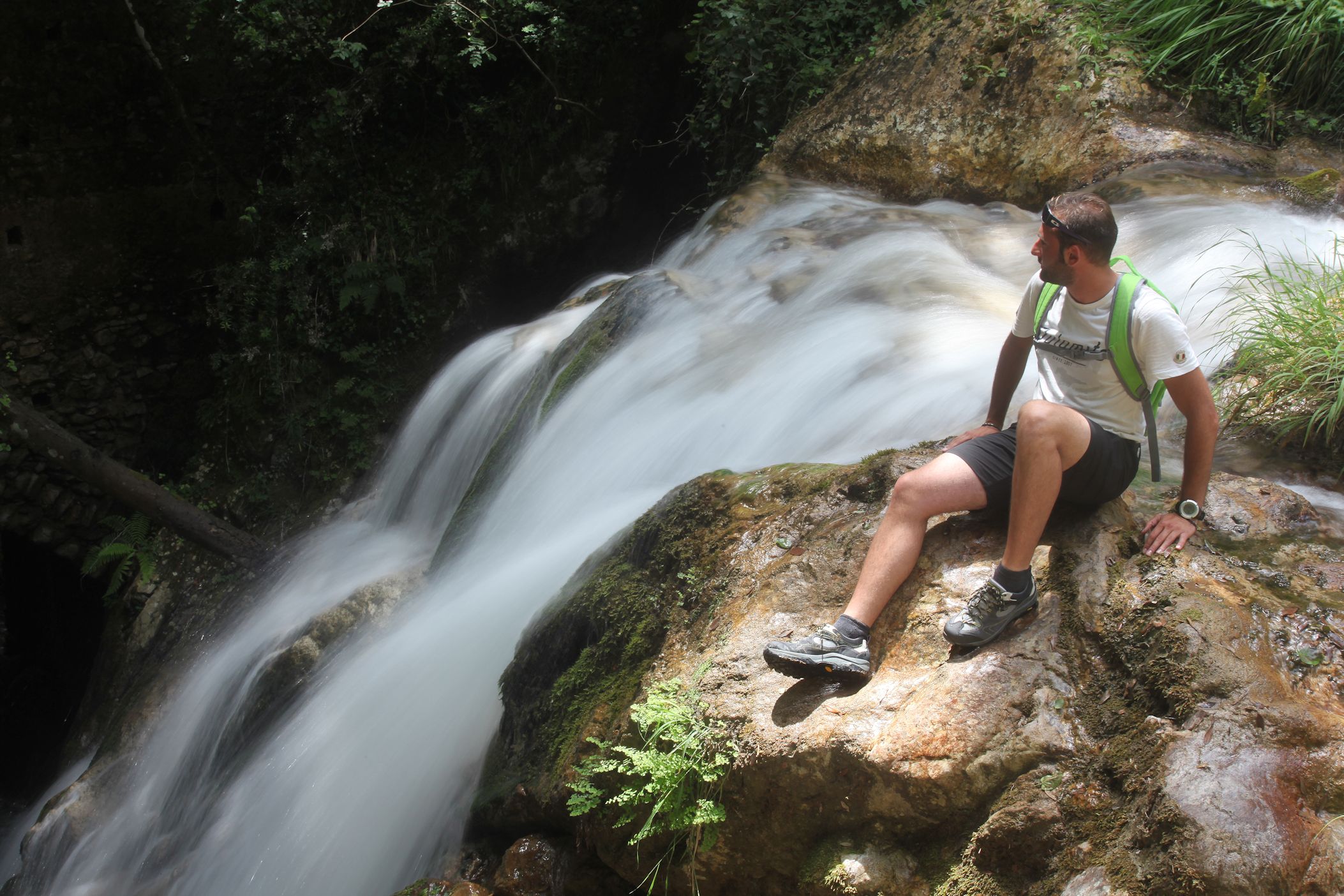
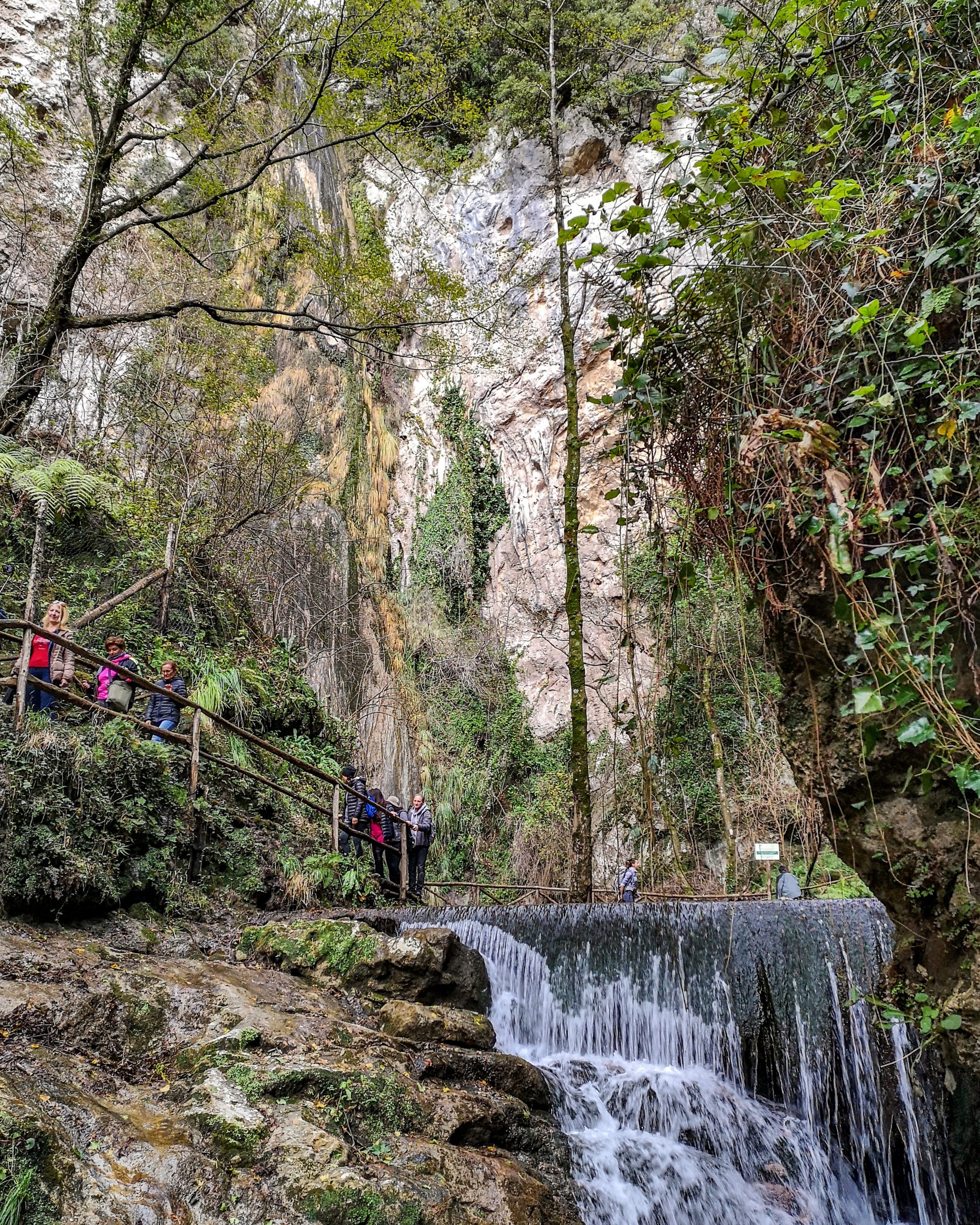
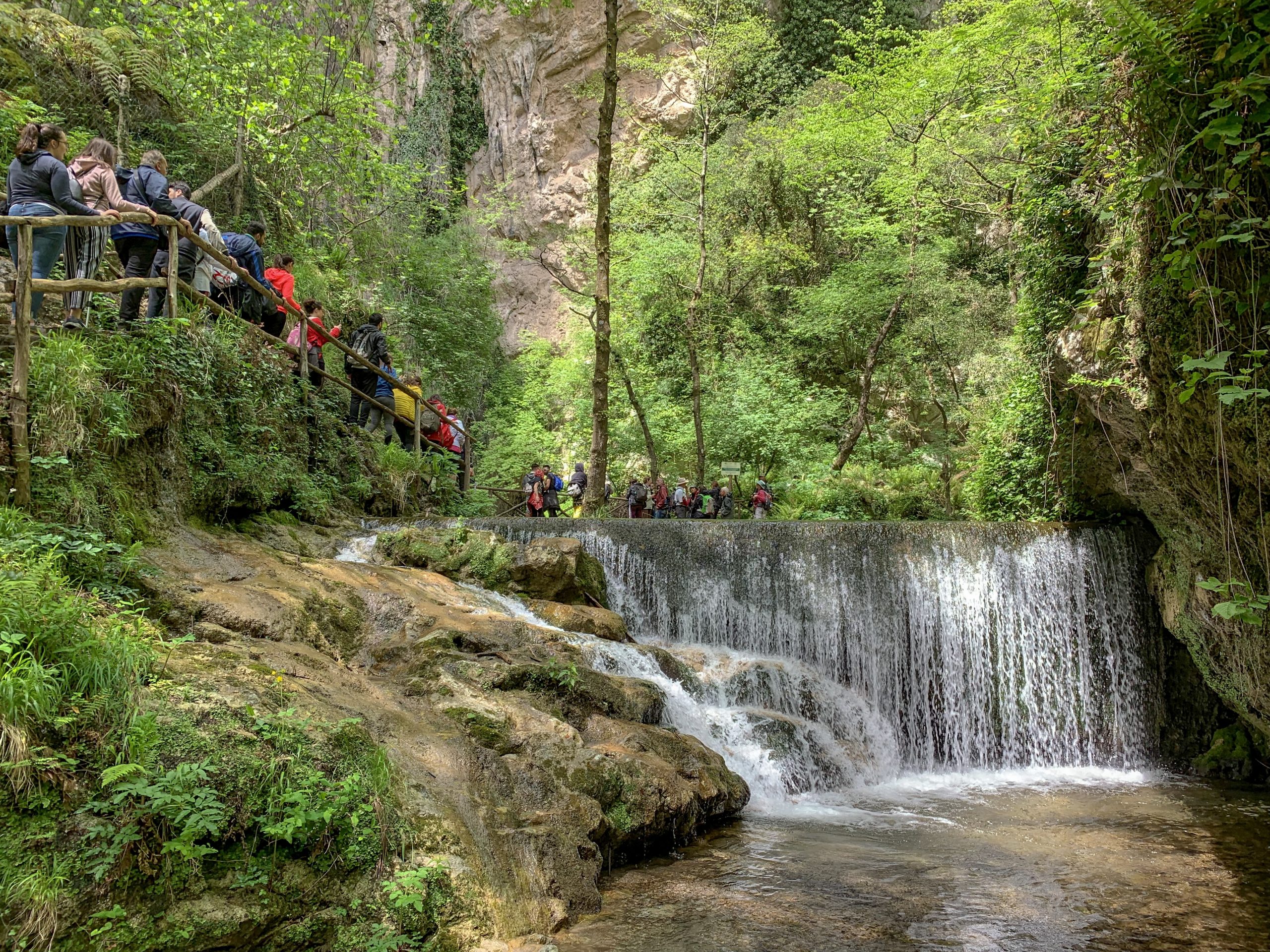
An excursion not to be missed that takes you to the beautiful canyons of the Valle delle Ferriere: home to a large Natural Reserve with many rare and endemic species, both flora and fauna. Going down the gurgling river Canneto, you also admire waterfalls and ancient ruins of mills, paper mills and foundries, to finally reach Amalf.
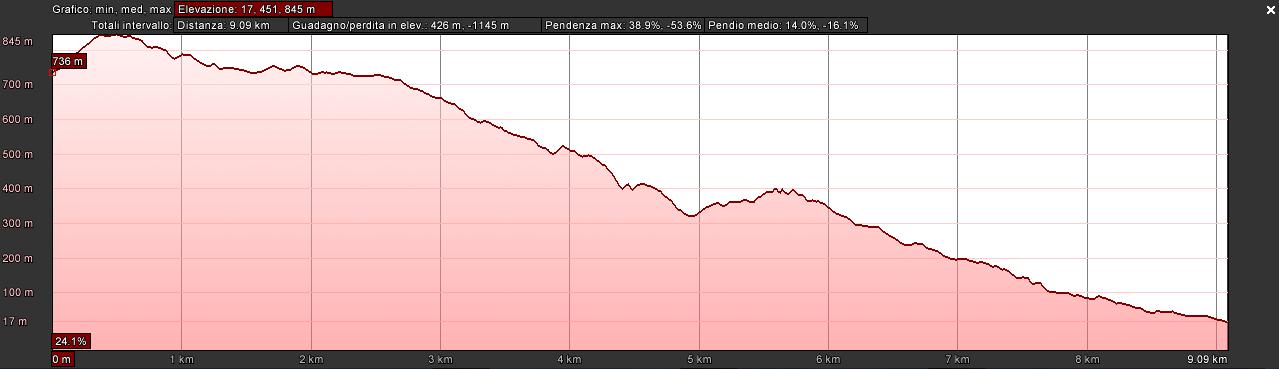
FROM CANEGLIO TO VALLE DELLE FERRIERE AND AMALFI
Path information
Reached by car or on foot the location Caneglio (via Panoramica), near the restaurant, La Taverna del Brigante, take the trail that climbs up to the saddle between Monte and M. Murillo.
After reaching the top you come to a crossroads where you must take the only path downhill to the right, after a few bends down and along a wide dirt road which leads down to the bottom of the Nespola Valley, then walk along the opposite side, paying attention to the red paint signs, painted on rocks along the trail.
After crossing a chestnut grove, the trail opens on a clearing, characterized by strong presence of bracken fern and cut coppice. Continue on the narrow trail without taking any detours until back into the woods. After a few meters, take a narrow predominantly rocky bottom trail downhill.
After 500 meters downhill, there is a junction where you need to turn left, walking down a pebbly slope and encountering the Acquolella water spring.
Continuing the descent you cross an intersection, keep to the left on a path that gets narrow and impervious.
Without being confused by ephemeral tracks created by mules passage, keep going down until you reach a small clearing with a view from above of the Valle delle Ferriere.
Go downhill, then, along the left side, in chestnut groves, until intercepting and following, on the left, the path that leads to Pogerola “Fico ‘a noce” water spring.
A steel board engraved with Giustino Fortunato’s name, indicates where to take the trail down into the valley. After a short stretch, the trail follows the first tributary of the Ceraso river, Valle delle Ferrier’s main stream, following the only path that leads into the middle of the valley.
Once on the flat surface, beeing able to see the Ceraso river, continue on the path that runs alongside the old aqueduct and leads to Amalfi, passing the remains of mills, a foundry and an old refitted hydropower plant, with a museum.
Turning left, however, you would arrive in a maximum protection Reserve area, observable only by authorized visitors accompanied by a Forest Rangers (see chap. 4), or by their delegates. For this , contact the Pro Loco or the Path of the Gods Association. To return to Agerola you can take a SITA bus, with connection in Amalfi.
Values and points of interest
In the initial climb, you can admire a view that has in the foreground Basin Agerola and the “gap” cut by the Rio Penise, sea side, the sudden parting created by tectonic subsidence, which created the Gulf of Salerno (see par. 2.2). More extensive views over the Gulf Coast are enjoyed later, when passing along the south side of M.Molignano. Meanwhile, one passes through dense chestnut and, on the more rocky and sunny, mingling among the scrub, mixed oak and scrubland. Later we overlooking the Valle delle Ferriere, a deep canyon up to 800 meters, the rain water and spring water have carved (in hard Cretaceous limestones and Jurassic) to the average rate of about half a millimeter a year.
In addition to his almost alpine landscape and the ruins of ancient water mills, the Valley is famous for the peculiarities of its flora. The microclimate varies from point to point and the aspect often ends up weighing more than the quota, the resulting phenomena of “inversion of vegetation”, with alder and hornbeam descending to the valley floor and garrigue that, in contrast, go up the mountain.
In the area of the falls, the microclimate of the valley is favorable to almost tropical undergrowth vegetation (lover of shade and moisture), in which stand three fern species: the great Woodwardia radicans (here survived the cold of the last glaciation) and smaller Pteris vittata and Pteris cretica.
In the same area, with some small springs that give water charged with calcium bicarbonate, are formation of travertine which encrust and petrify grasses and mosses.
The river waters are home to, among other things, various amphibians, including newts of the salamander and the rare spectacled salamander (see par. 2.4); animals that enter the diet of otters that frequent the river and pools spring more secluded valley.