BORGO DEGLI DEI

Bomerano's main square, is named after Captain Paolo Capasso, First World War gold medal to the memory. From here one can see Palace Acampora, one of the rare examples of high Amalfi Coast eighteenth century patrician architecture, from where starts a path made of alleys and courtyards, ancient dry stone and architectural elements of Bomerano ancient village.

BORGO DEGLI DEI2024-03-18T11:13:38+01:00

CORONA DEGLI DEI

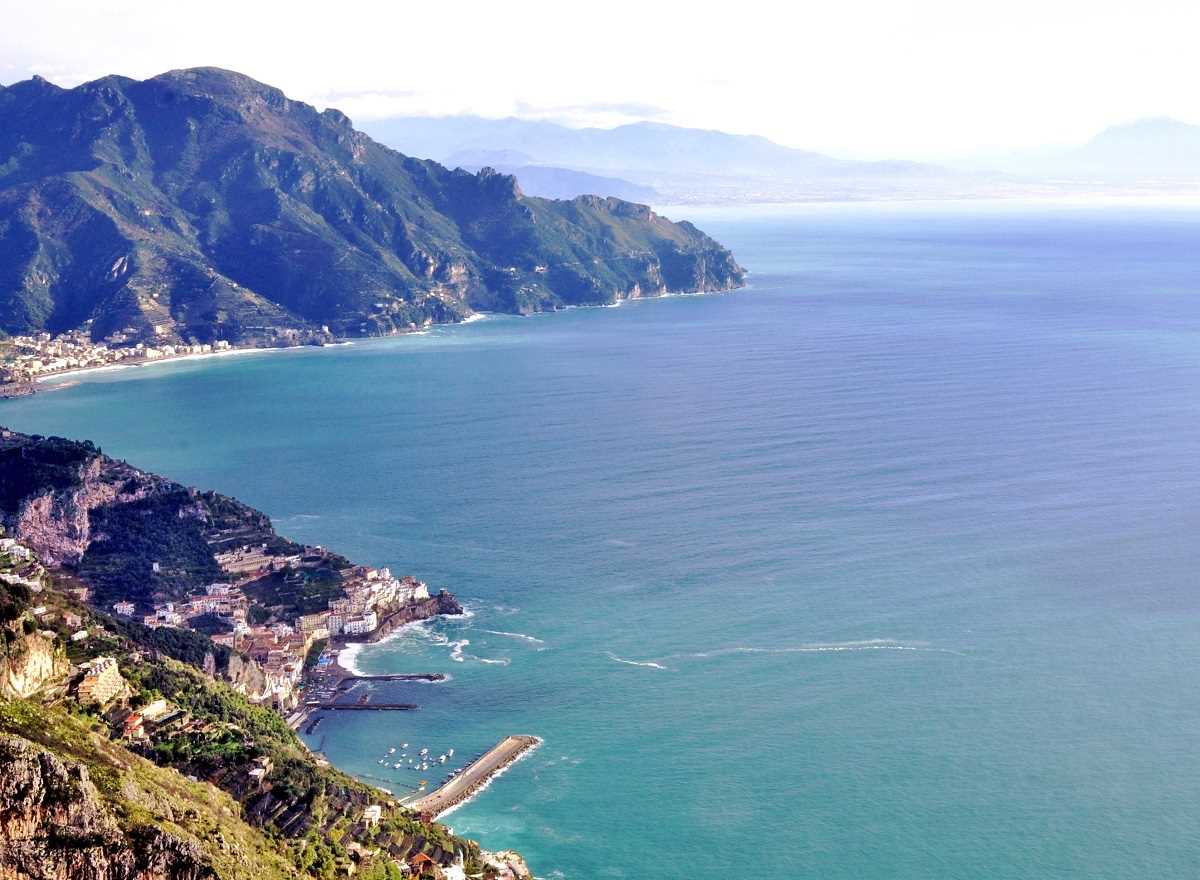
From Piazza Capasso you reach Via Casalone. Start to walk uphill to gaze at a beautiful panorama: glimpses of the bright light of the sun, which insinuates itself between the green vegetation and is reflected in the blue color of the sea, a beautiful landscape that along the Path of the Gods goes all the way to the Faraglioni of Capri.

CORONA DEGLI DEI2024-03-18T11:11:47+01:00

ITINERARIO DEL CASTELLO

In the square named after General Avitabile stands the Baroque style Church of SS. Annunziata, with cross vaults typical of the Amalfi Coast, with wooden statues and paintings of the XVIII-XIX centuries, a beautiful double-face Middle Ages marble cross and a Roman times stack of holy water.

ITINERARIO DEL CASTELLO2024-03-18T11:08:56+01:00

IL CIRCUITO DEL PENISE

We start from Piazza XXIV Maggio, where the Madonna delle Grazie Church is located, dating back to the 16th century. A few steps away, the Madonna di Loreto Church offers inside various paintings by Mozzillo, floors and altars dating back to the Baroque period and the funeral mausoleum of General Avitabile.

IL CIRCUITO DEL PENISE2024-03-18T11:04:33+01:00

ITINERARIO DEI PONTI

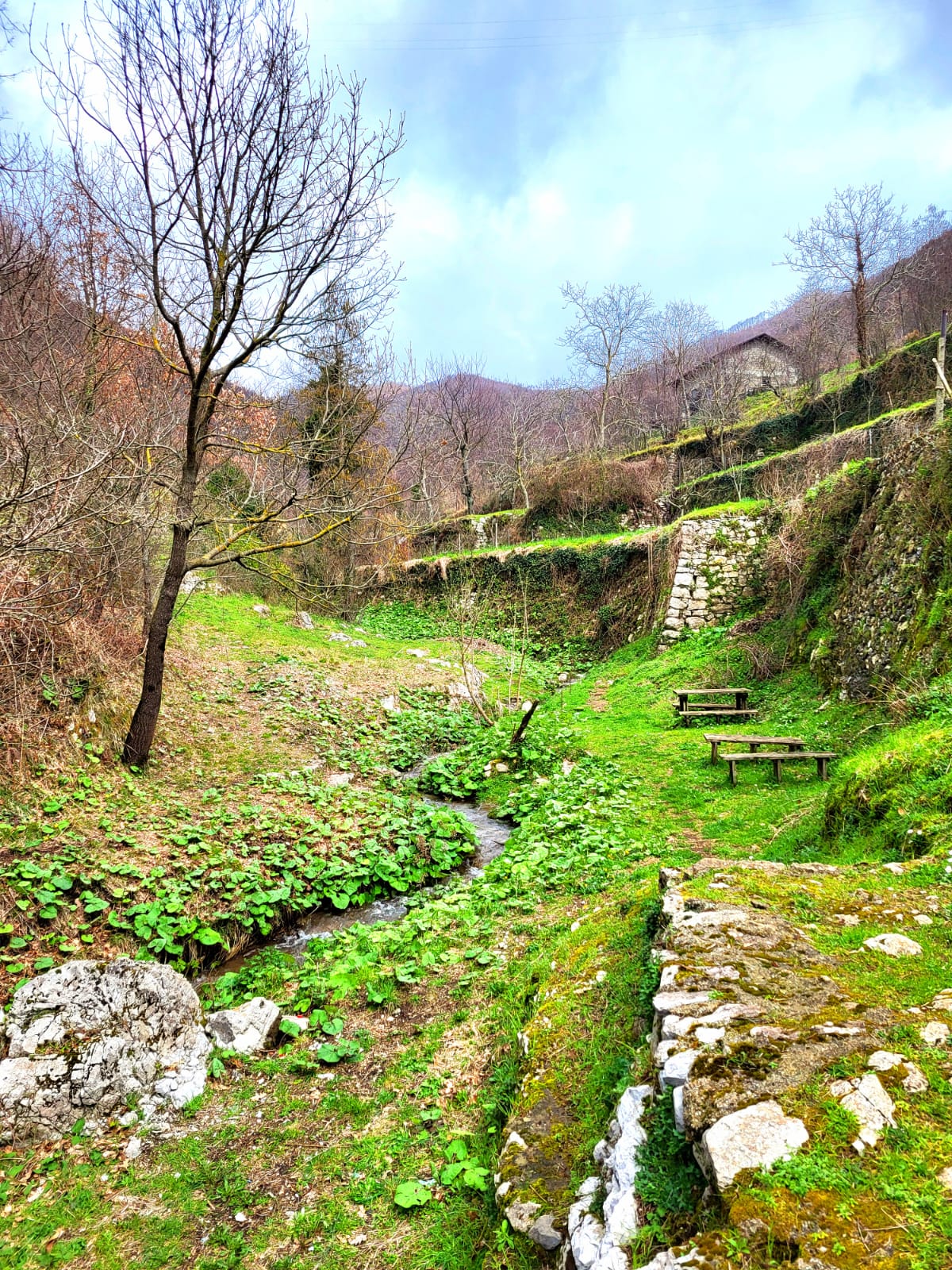
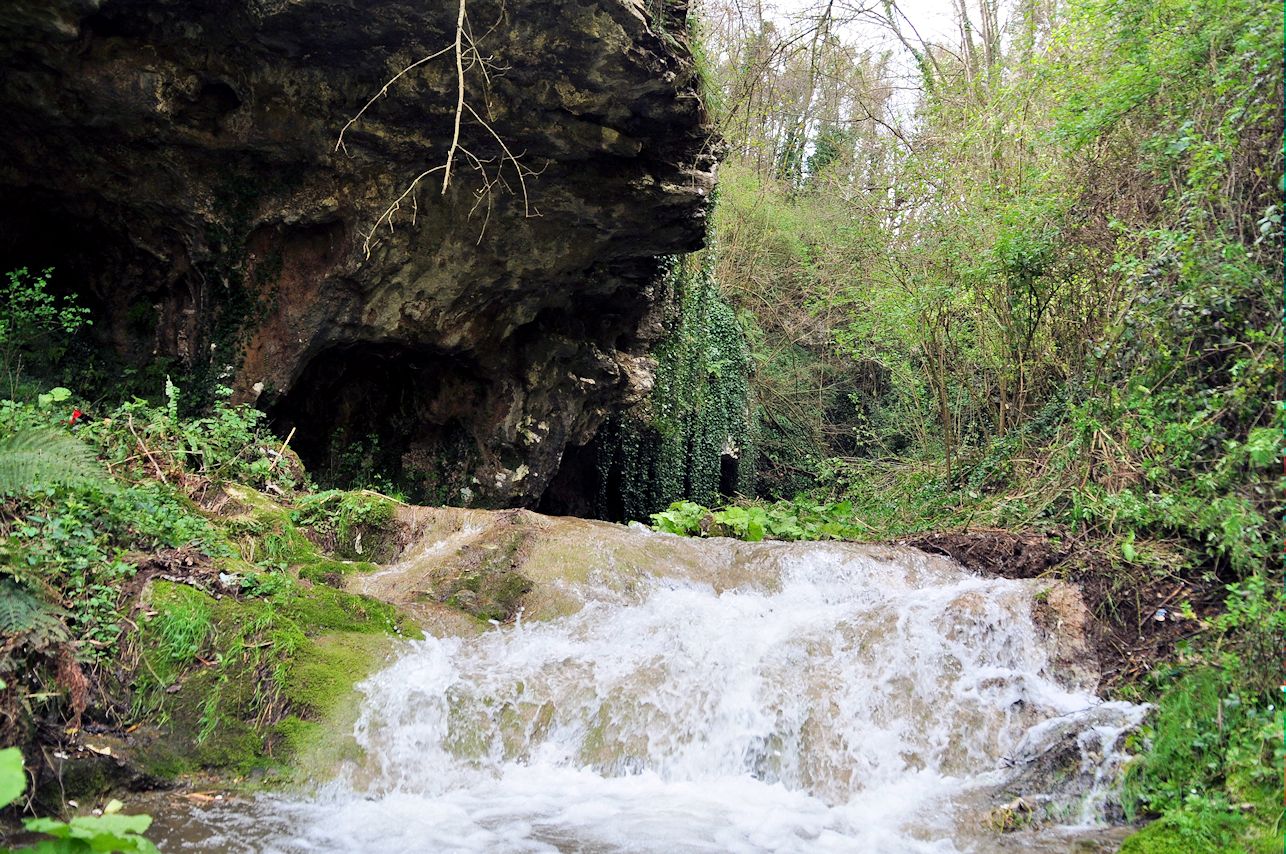
A few meters to the right of the Madonnina del Forestiero, there is a small road which in the past, was the only connection between Bomerano and Ponte: a walk down memory lane Here you will encounter rare plants but also architectural elements dating back to the Midole Ages, such as rocky steps or the old bridge that crosses a river, on whose shores are caves and prehistoric traces which evoke unparalleled sensations in the visitor. After a short distance the path reaches the road, continue to the right to visit the Church of St. Nicholas of Bari, in Ponte, with an altarpiece by Vaccaro. On leaving the church, continue on the uphill road, after a few hundred meters, turn in an alley, in the shadow of the town cemetery walls, then cross the old Bomerano bridge, reach Piazza Captain Paolo Capasso, First World War gold medal to the memory. Here you can visit the Church of St. Matthew the Apostle, and nearby, the Church of the Immaculate Conception, dating from the seventeenth century. The walk ends back to the piazzetta Madonnina del Forestiero.

ITINERARIO DEI PONTI2024-03-18T10:43:41+01:00

ALLA CORTE

In Piazza Unità d'Italia (former Town Hall square), is the old town hall, recently restored and renamed the Court House. The historic building now houses the city council chamber, the historic section of the city library and spaces and it is used for the artistic Agerolaarte exhibitions. In the same building there is the Ethno-Antropological Museum, a significant space in which are stored all the symbols of Agerola historical memory. This urban route is characterized by its strong historical meaning, from the Museum and onto a narrow road that runs through the historic Via Roma street, one arrives at the thirteenth century St. Peter the Apostle Church. Inside a chapel that houses the statue of St. Anthony, Agerola's patron saint, and eighteenth and nineteenth centuries works of art. Leaving the church, going back a few steps, a typical country lane begins in a portico, then continues lined with orchards and vineyards, up to the Church of Santa Maria La Manna, with a precious marble statue. Continue down to the junction and walk along Via Croce, the ancient road connecting the two villages of Pianillo and Santa Maria, which still retains traces of rural architecture and along which you can see the façade of the church of Santa Croce, dating to the seventeenth century. The path ends back in Piazza Unità d'Italia.

ALLA CORTE2024-03-18T10:12:15+01:00
Go to Top